In March 2026, a motorcycle nobody outside China had heard of crossed the finish line at the World Superbike Championship in Portugal.
It finished 4 seconds ahead of the Ducatis and Yamahas. The internet called the screenshot “a world-famous painting.”
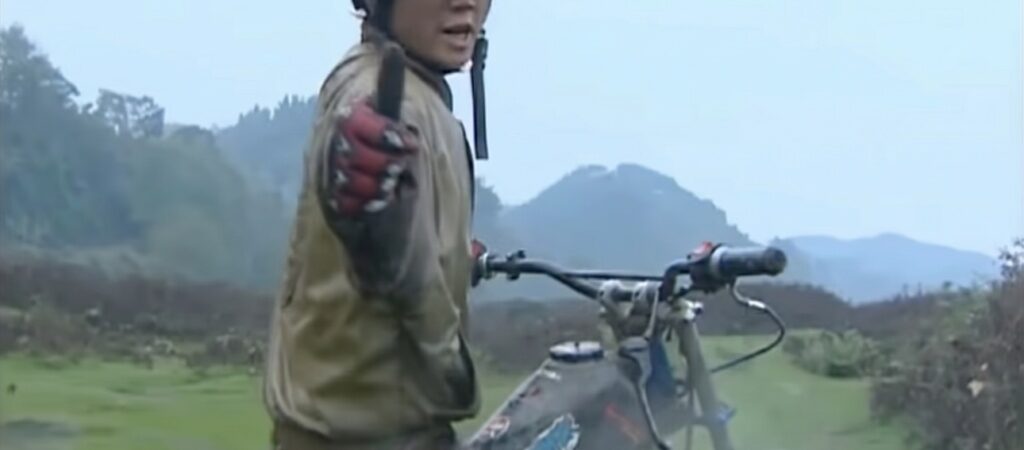
The man behind it — Zhang Xue — started at the bottom as far as you can go. At 19, he was a dropout repairman in a small Chinese mountain town with 300 yuan (about $40) in his pocket and no connections to anything. He chased a TV camera crew 100 kilometers in the rain on a 20-year-old broken motorcycle — just to get 20 minutes of footage that might let a racing team notice he existed.
Twenty years later, his bike beat the Europeans at their own race.
My son, who is obsessed with motorcycles, came to me one evening and asked: “Dad, why is everyone talking about Zhang Xue?”
I had two choices. I could explain it. Or I could make him feel it.
I could have just explained it. Summarized the key moments, handed him a tight narrative, and called it good parenting.
But I kept thinking: there’s a difference between reading about someone else’s choices and having to make them yourself — before you know the answer. I wanted him to feel that difference.
So I decided to build something.
What Happened When I Tried
My plan: use AI to extract subtitles from the original 2006 Hunan TV interview on YouTube. Ask Claude to structure the story into decision points. Use Claude Code to build the actual program.
What I got on the first try: a beautifully designed page where the button did absolutely nothing.
The JavaScript had a syntax error — Chinese quotation marks nested inside English-quoted strings. A real developer would catch it in 10 seconds. I spent an evening staring at it.
Then I realized I had built the wrong thing entirely. I made isolated quiz questions when what I needed was a continuous story — something you live inside, not multiple-choice questions you answer from a distance. I scrapped the whole structure and started over.
At some point, I asked AI honestly whether any of this was worth continuing. The response was short:
“You’re trying to teach your son about a man who chased a camera crew 100 kilometers in the rain and refused to quit. Imagine explaining to him that you stopped because of a JavaScript bug.”
I went back to the file.
What the Simulator Actually Does
Here’s one moment from it: the TV crew has given Zhang Xue 20 minutes of camera time. He’s failed the whole time — the ground was muddy, he kept sliding off. Now they’re packing up their equipment. One of them is quietly shaking his head.
The simulator stops and asks: what do you do?
You have to pick before you find out what Zhang Xue did. And you can’t un-pick.
There’s something that happens when you’ve committed to an answer and then see — immediately, right below — that the person who actually lived this moment chose something completely different. Something you thought was unreasonable.
That happens seven times. The gap adds up.
👇 Try it: Zhang Xue Life Simulator
Why I Built This (The Real Reason)
I didn’t build this for the internet. I built it for the kids I know.
My son’s friends. My nephews. The teenagers in my family and my circle who are old enough to be making real choices about their lives, but young enough that a story told the right way might actually land.
I wanted something I could send them a link to and say: try this, then tell me what you think. Not a lecture. Not a Wikipedia article. A 10-minute experience that puts them inside a real person’s impossible situation and forces them to choose.
Whether it works — whether it actually touches something in a 16-year-old who plays it — I genuinely don’t know yet.
This Is Where I Need Your Help
The simulator exists, but I’m not confident it’s as good as it could be. I’m not a developer. I’m not a game designer. I built this with AI tools over several weeks, scrapped it once, debugged things I didn’t understand, and ended up with something I think is okay — maybe better than okay, but I genuinely can’t tell from the inside.
If you try it, I’d love to know:
- Did the story pull you in, or did it feel flat somewhere?
- Were the decision points genuinely hard — or did Zhang Xue’s choice feel obvious before you finished reading?
- Was there one moment that hit harder than the others?
- If you were giving this to a teenager you care about, what would you change?
More than any code fix, honest reactions from people who’ve actually tried it would tell me whether this is worth developing further — or whether the whole concept needs rethinking.
Leave a comment below. Or if you know a teenager who might benefit from this, send them the link and tell me what they said. That’s the feedback I’m really looking for.
What I’d Build Next
The current version is a static HTML file — no backend, no adaptive AI logic. What I want to build eventually: a version where the AI evaluates your reasoning, not just your answer. Where it tells you specifically why your logic would or wouldn’t have worked — and gives you a second chance to think it through differently.
That version doesn’t exist yet.
But then again — neither did Zhang Xue’s motorcycle company, once.
One More Thing
It’s late. While I was finishing this post, my son walked past my desk and said: “What are you doing? Why aren’t you asleep yet?”
He doesn’t know this exists. He hasn’t seen it. The simulator that took weeks to build, that I scrapped once and rebuilt from scratch and debugged past midnight — he has no idea.
I’m going to send him the link tomorrow.
If he says anything worth sharing, I’ll update this post.
Zhang Xue — 20 Years Ago
This interview is from 2006. He was a kid with a dream and no money. Watch the first 90 seconds — then read the line below it.
Chase your dreams.
Because I was brave, my life became extraordinary.
— Zhang Xue, 2006 interview · Opening line
Zhang Xue Today
The Kid From 2006 Now Has a World Championship Team.
Zhang Xue went on to found Zhang Xue Moto — a Chinese motorcycle brand that nobody outside China took seriously. Then their French rider Valentin Debise overtook on the final lap to win the race, claiming the team’s third championship of the season. The world noticed.
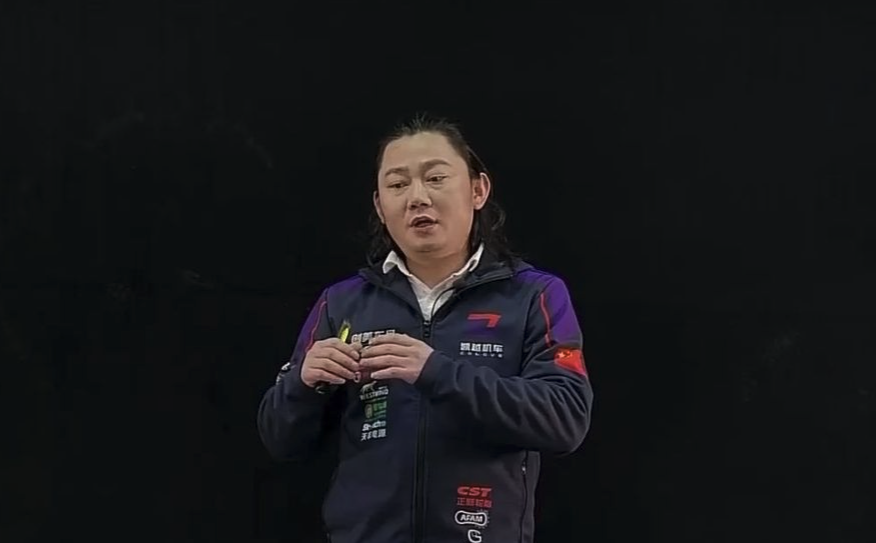
Valentin Debise, riding for Zhang Xue Moto, crosses the line. Season’s third title. 2006 feels very far away.
Try It Yourself
Zhang Xue Life Simulator
7 decisions. Each one he actually faced.
Make your choice blind — then see what he did.
Free. No sign-up. Runs in your browser.
Leave a Reply