
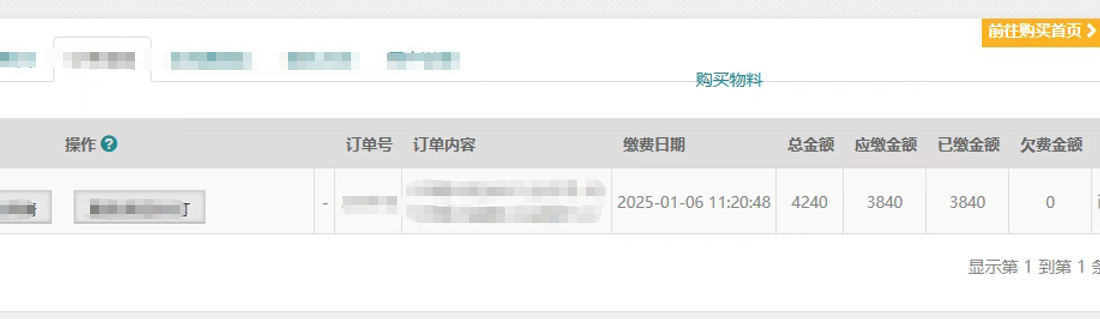
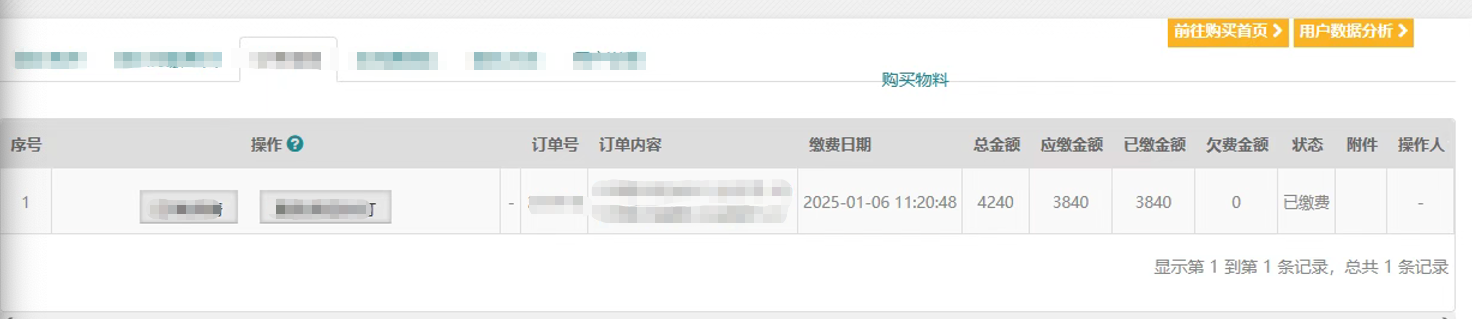
In January 2025, I paid ¥3,840 for my son’s tutoring class.
That’s ¥240 per session, 16 sessions, one subject. It’s not an unusual price. In China, this kind of arrangement is completely normal — even expected. Every parent I know is paying something similar.
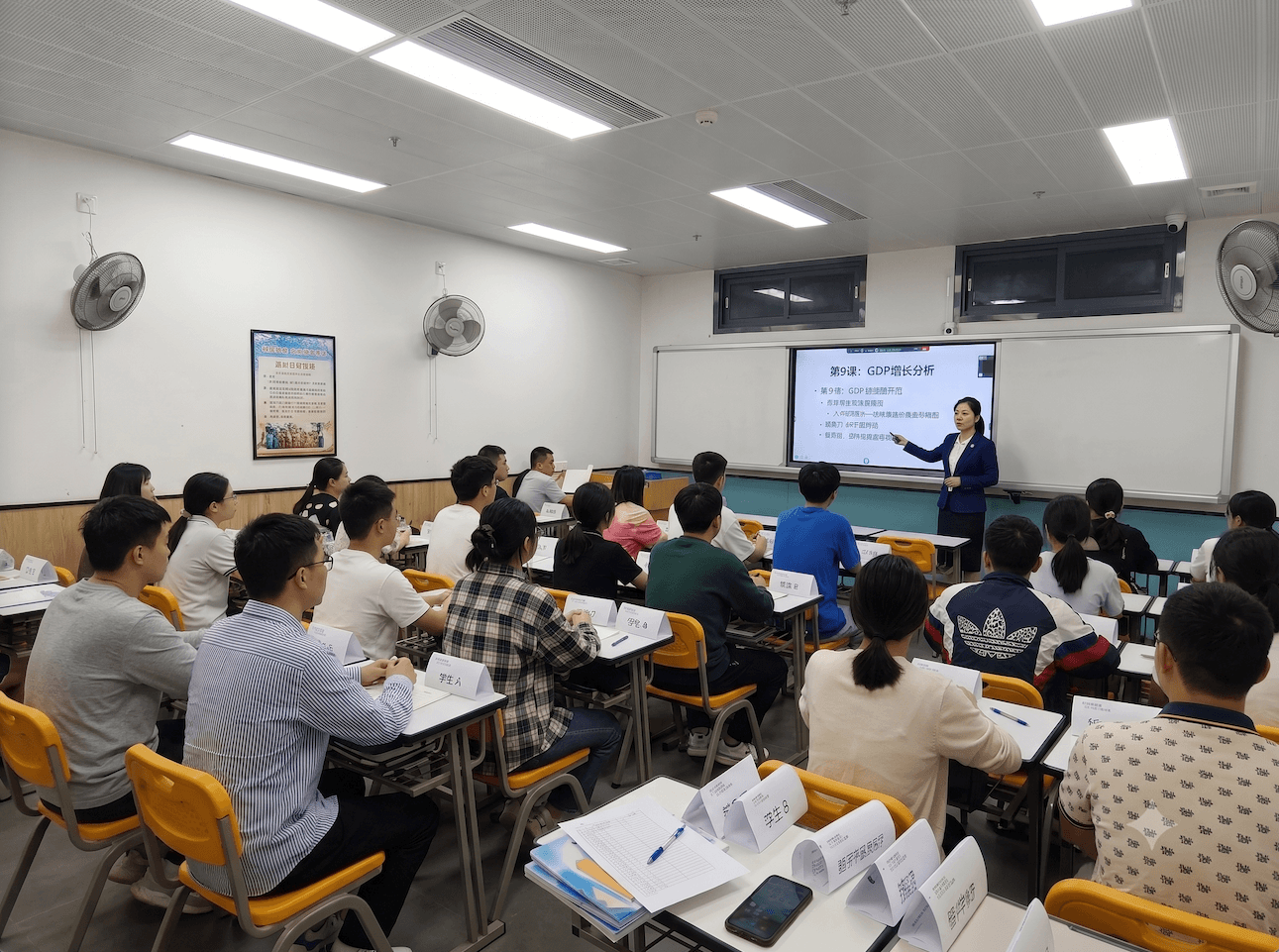
What I didn’t fully appreciate until after I paid was the fine print: 30 students per class.
What ¥3,840 Actually Buys You
A classroom with 30 kids in it is not a private tutor. It’s a slightly smaller version of school.
The teacher explains a concept. Your child is one of 30 trying to follow along. If they don’t understand, they can raise their hand — and wait. If the explanation moves faster than their comprehension, they take notes and hope it clicks later.
The real problem isn’t the cost. The real problem is the format.
My son would come home with a homework problem he’d been stuck on for 45 minutes, having been too shy to wait in line at the tutor’s desk while six other kids crowded around. He’d just copied down the steps without understanding them.
And then there was the commute: 30 minutes each way, twice a week, which is 2 hours of travel time per week just to sit in a crowded room and maybe get one question answered.
I started thinking there had to be a better way.
The Part Everyone Gets Wrong About AI Tutoring
The obvious answer is AI. Ask ChatGPT, ask Claude, problem solved.
Except it’s not quite that simple.
Type a math problem into a chat window and you get an answer. But homework isn’t typed — it’s written on paper, in workbooks, in exam printouts. And when my son is stuck on a problem, he doesn’t want to copy it character by character into a text box. He just wants to show it.
The missing piece isn’t the AI. It’s the camera.
Not a phone camera — pointing a phone awkwardly at a textbook while trying to type questions is its own kind of frustration. What changed everything for us was a document camera.
What a Document Camera Actually Does
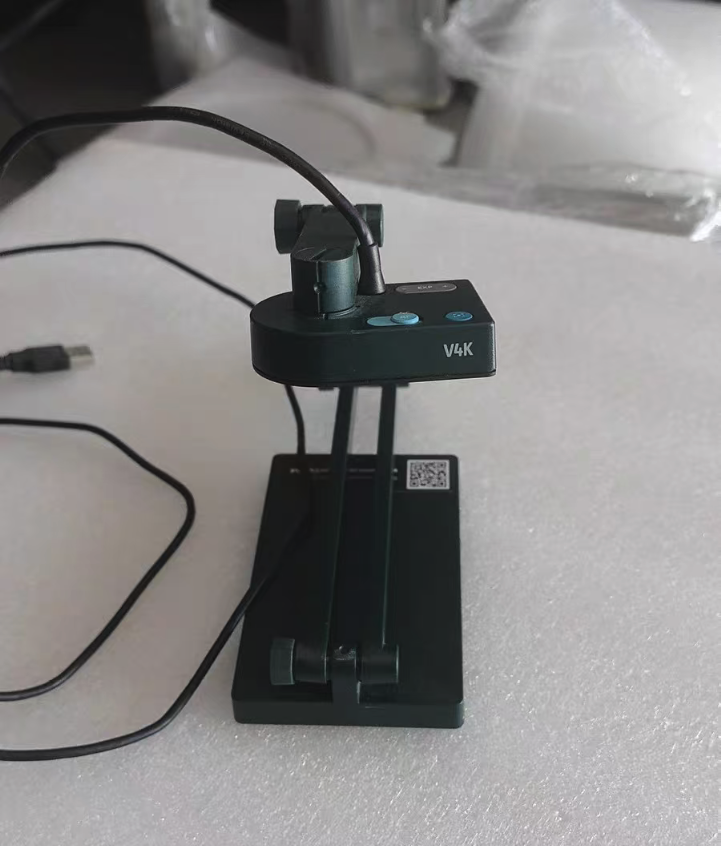
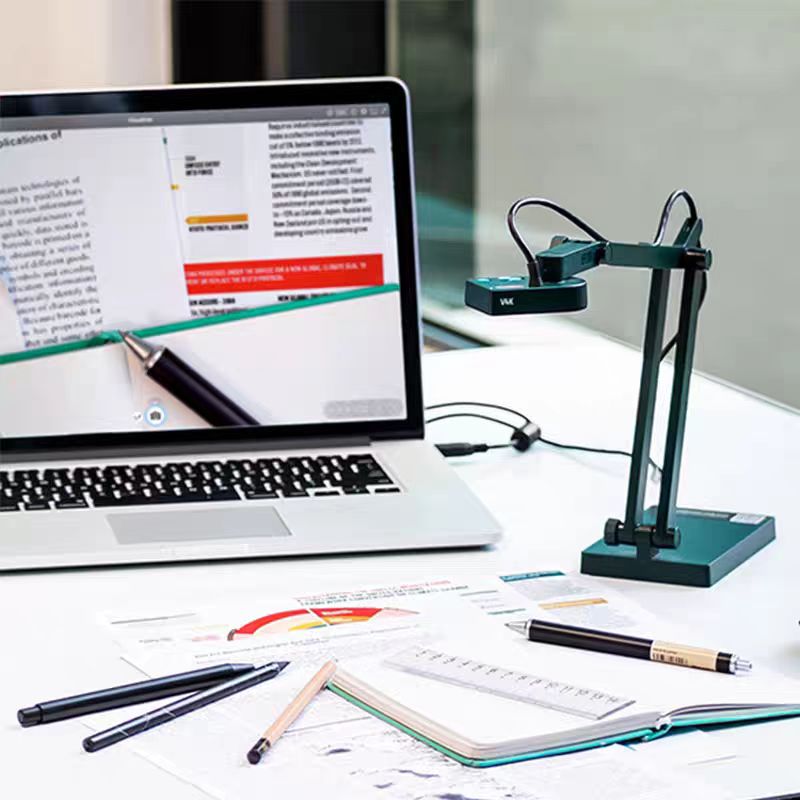
A document camera (also called a document presenter or visualizer) is a small device that sits on your desk with an overhead lens pointing straight down. You slide a book, a test paper, or a handwritten problem underneath it. The camera captures it in clear, focused, high-resolution detail — and streams it to your computer.
That image goes directly into an AI chat. One keystroke to screenshot, one paste, one question.
“I’m a student. I don’t understand this problem. Walk me through it step by step without giving me the answer directly.”
The AI responds like a patient tutor who never has anywhere else to be.
The Setup (Simpler Than It Sounds)
Here’s what we actually use:
Hardware:
- A document camera — USB, plugs straight into a laptop (no drivers needed on most systems)
- A laptop or desktop with a modern browser
- Decent room lighting (the camera has a built-in lamp, but a desk lamp helps)
Software:
- Any AI that accepts images: Claude, ChatGPT, Gemini, or free Chinese options like Kimi or DeepSeek
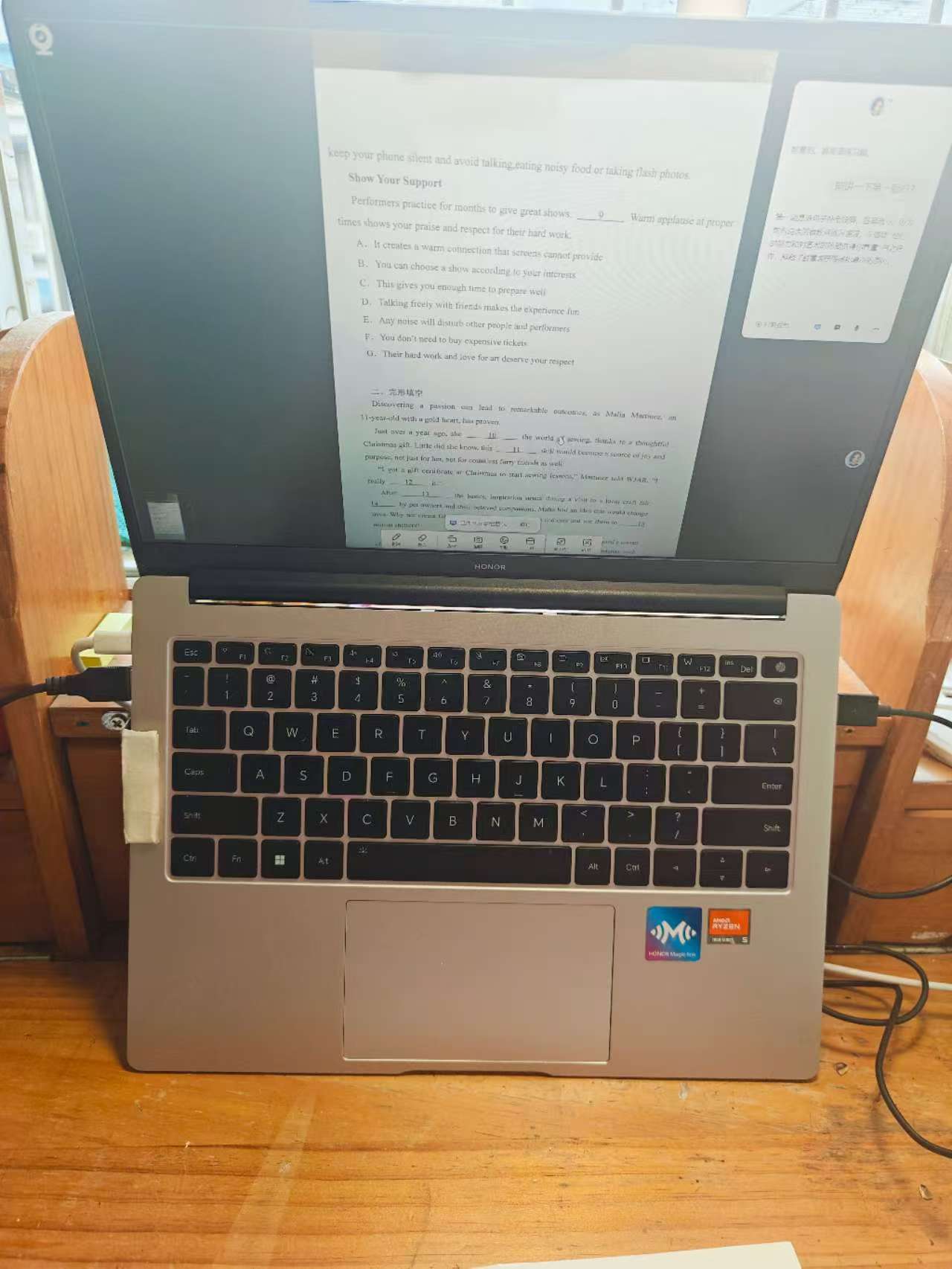
- Split screen: AI chat on one side, camera preview on the other
- Windows shortcut Win+Shift+S (or Mac Shift+Command+4) to screenshot and paste directly — no saving files, no uploading
Workflow:
- Place the homework page under the camera
- Screenshot the specific problem
- Paste into AI + type the question
- Read the AI’s step-by-step explanation
- Write the working by hand, put it back under the camera, let AI check it
The whole thing takes about 10 seconds to set up per problem. My son does it himself now without any help.
The Prompt That Actually Works
This matters more than people realize. If you just ask AI “solve this math problem,” it gives you the answer. That’s not tutoring — that’s copying.
The prompt we use (copy it if you want):
You are a patient tutor for a middle/high school student. When I send you a problem, do NOT give the answer directly. First identify the concept being tested. Then walk through the reasoning step by step, asking me a question at each step to check understanding. If I get something wrong, point out exactly where I went wrong before continuing.
With this prompt, the AI becomes a Socratic tutor. It leads. My son has to respond. He’s actually learning the method, not just copying the result.
What Changed
The commute is gone. That’s 2 hours a week back.
The queue is gone. If my son is stuck on problem 3 at 10pm, he asks now — not tomorrow at the tutor’s desk.
The embarrassment is gone. He’s a shy kid. Asking AI a question he thinks is “stupid” is something he’ll actually do. Asking a human teacher in front of 30 classmates is something he avoids.
Is it perfect? No. An AI can’t notice that he’s been staring at the same page for 20 minutes and needs a break. It can’t build the kind of relationship a good human tutor builds over months. For subjects that need a lot of back-and-forth discussion or creative writing feedback, a real teacher is still better.
But for homework help, problem-solving, vocabulary practice, and comprehension questions? We haven’t been back to the tutoring class since February.
The Numbers
| Item | Cost |
|---|---|
| Tutoring class (16 sessions) | ¥3,840 (~$530) |
| AI membership (annual) | ~¥200 (~$28) |
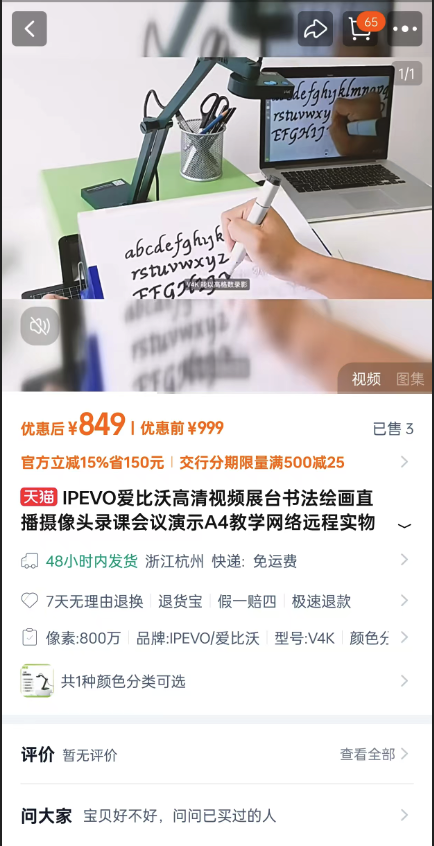
| Document camera | ~¥800 (~$110) |
| Year 1 total (AI + camera) | ~¥1,000 (~$138) |
Year 2 onwards: just the AI membership. No new hardware needed.
The camera I’d recommend for international buyers is the IPEVO document camera — it’s the brand that professional teachers and schools use, the image quality is noticeably better than cheaper alternatives, and the USB setup is genuinely plug-and-play.
👉 IPEVO V4K Document Camera on Amazon →
(I earn a small commission if you buy through this link — at no extra cost to you. I only recommend what I’ve actually used.)
One More Thing
After we got this working, I realized something: this setup isn’t just for helping one child with homework. If you already have the camera, you can flip it around and use it to tutor other students online — share the camera feed in a video call, with AI running in the background generating explanation scripts for you to read.
That’s a completely different business possibility, and maybe worth a separate article. But the foundation is the same.
One camera. One AI subscription. A tutoring class model that doesn’t require 29 other kids in the room.
What we paid before: ¥3,840 per subject per semester, 30 kids per class, 30-minute commute each way.
What we pay now: AI subscription + a one-time camera purchase.
What my son got: a tutor that answers immediately, never judges him for asking the same thing twice, and is available at 10pm on a Tuesday.
Related Reading
- My Son Asked a Normal Question. I Tried to Answer It With AI. I Aimed Too High. The AI Won’t Let Me Quit.
- My Niece Is Competing for One of China’s Most Sought-After Jobs. I Used AI to Build Her a 30-Page Study Guide. It Took 20 Minutes.
- My Friend Is 45 and Works in IT. He Asked Me What to Do. I Asked AI. Here’s the Roadmap.
Leave a Reply