Let me tell you about the fastest I have ever failed at anything.
Total time from account creation to permanent ban: less than 24 hours.
Total followers gained: zero.
Total posts published: one.
What Is Xiaohongshu?
For readers outside China, a quick explanation.
Xiaohongshu (小红书) means “Little Red Book” — not to be confused with Mao’s famous political pamphlet, though the irony is not lost on anyone. It’s China’s answer to Instagram meets Pinterest meets TikTok. 300 million monthly active users. Heavily skewed toward young urban women, but increasingly used by everyone.
In the West, you may have briefly encountered it in early 2025 when it went viral after the TikTok ban scare in the United States. Millions of Americans downloaded it, called themselves “TikTok refugees,” and posted videos asking Chinese users to teach them Mandarin. That lasted about a week.
For the rest of us in China, Xiaohongshu is a serious platform. If you want to build an audience, sell products, or establish yourself as someone worth following, you need to be on it. So I decided to start an account.
The Plan: AI as My Content Strategist
My idea was simple. I spend a lot of time reading English-language internet — Reddit, indie hacker communities, newsletters. Most Chinese people don’t. Not because they’re not curious, but because the language barrier and the Great Firewall make it genuinely hard to access.
There’s a natural information gap. Things that are common knowledge in the English internet are completely unknown in China. My plan: use AI to curate the most interesting foreign side hustle and AI content, translate and adapt it for a Chinese audience, and build a following on Xiaohongshu.
I asked Claude to help me write the first post. The topic: a story from Reddit about someone who earns about $700 per month just by curating a weekly newsletter of useful AI tools. Three hours a week, two or three sentences per tool, 500 subscribers at a small monthly fee. A real story. A legitimate side hustle. Exactly the kind of thing my target audience would find inspiring.
Claude helped me structure it perfectly: hook, the three-step process, how Chinese creators could adapt it, a call to follow for more. I posted it at 10pm. By the next morning, my account no longer existed in any meaningful sense.
What “Permanent Restriction” Looks Like in China
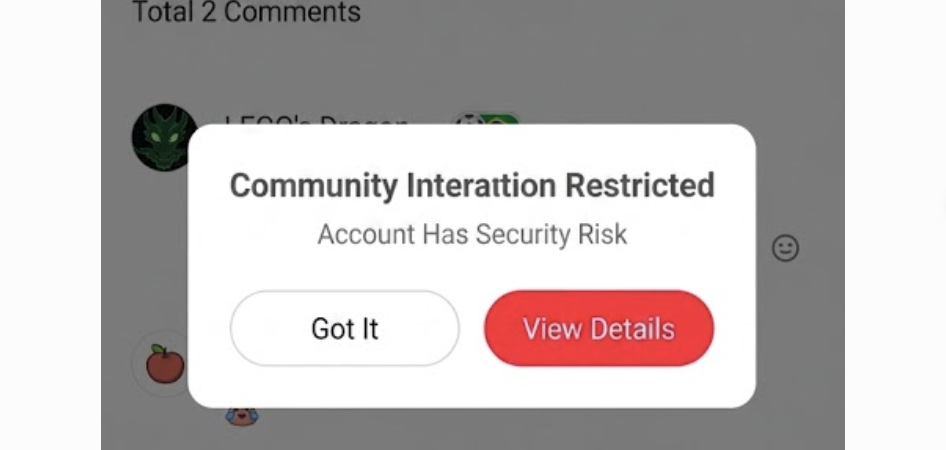
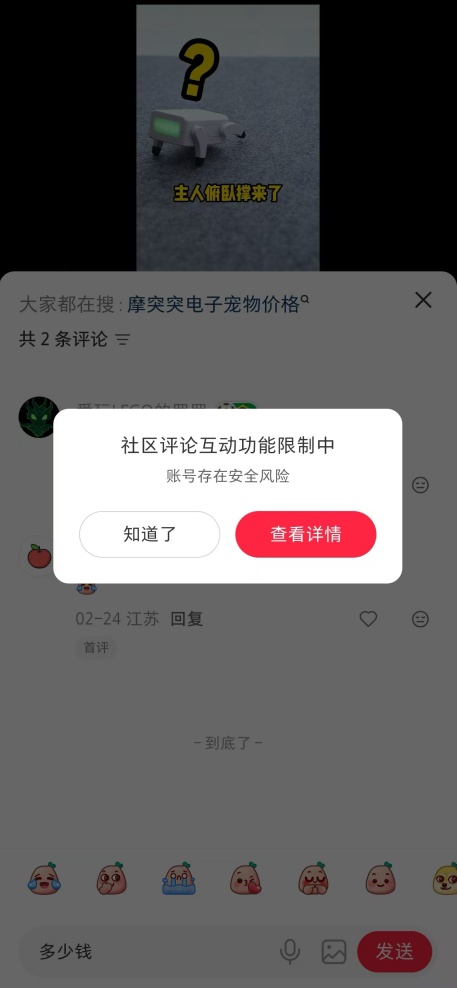
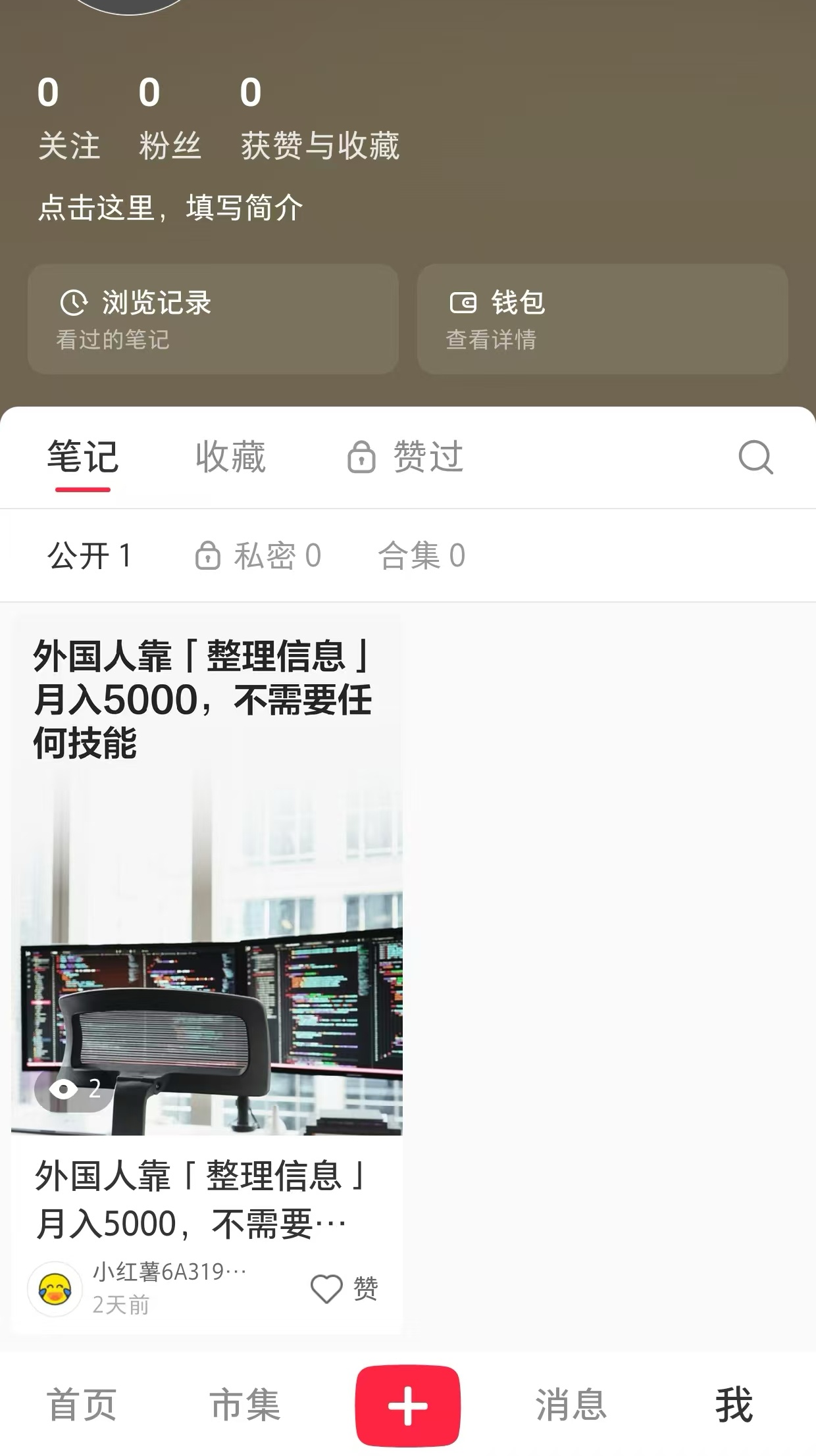
I woke up to a notification that my account had been reviewed and found to contain “security risks.”
The penalty list was twelve items long. Permanent. No appeal.
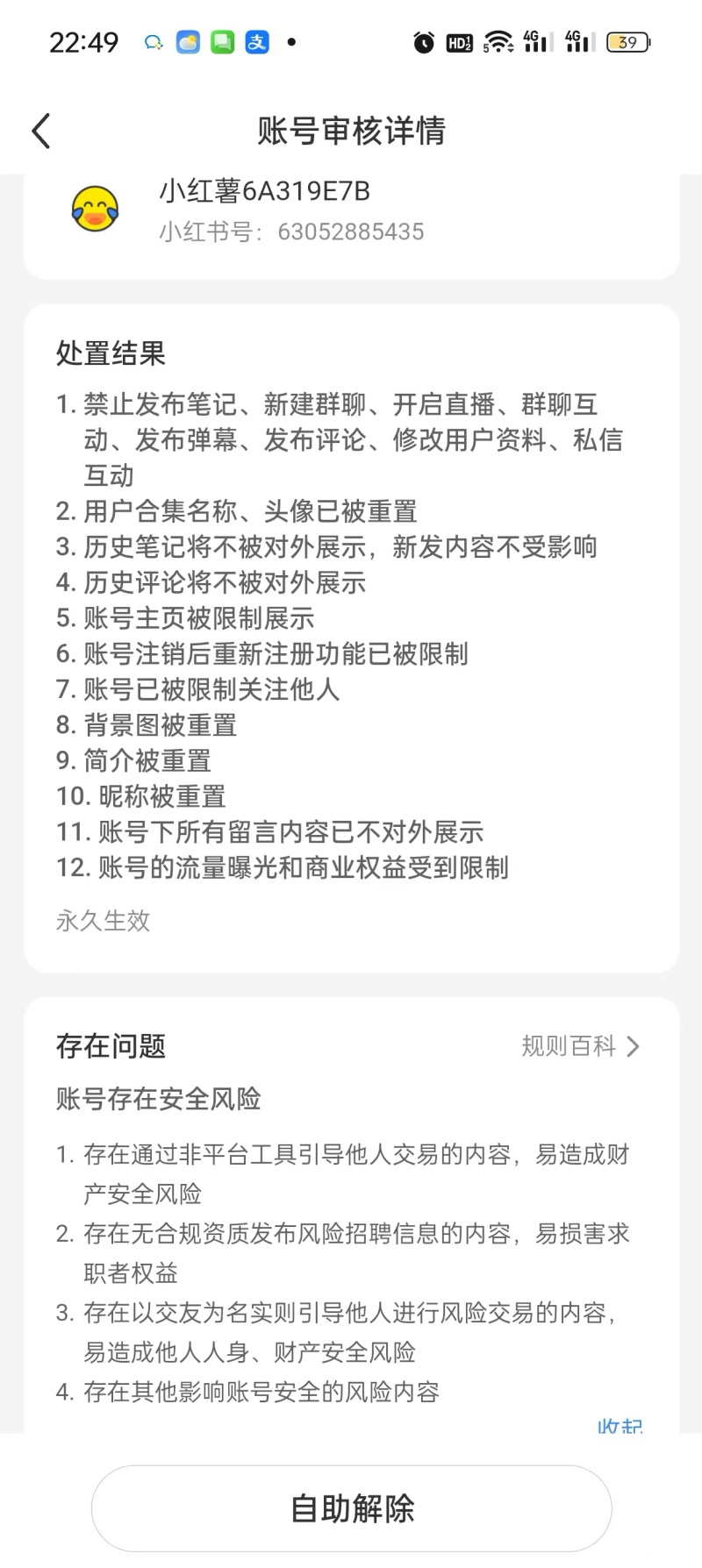
Here is what Xiaohongshu took from me — for a single post, on a brand new account, with zero followers: the ability to publish, comment, follow, message, set a profile name, or have any commercial rights. All of it. Gone. Permanently.
My account still had its system-generated default username: 小红薯6A319E7B. I had not even had time to set a real name.
The stated violations: “content that guides users into off-platform transactions,” “recruitment content without proper qualifications,” and “content that guides users into financial risk transactions.” I had posted a summary of a Reddit story about a newsletter writer.
The Part That Made Me Laugh
After my account was banned, I spent some time scrolling Xiaohongshu to understand what I had done wrong.
I found accounts posting infographics titled “The 50 Hottest AI Tools of H1 2026.” Detailed breakdowns of ChatGPT, Claude, Midjourney, every major AI product. Monetization strategies. Side hustle income claims. All of it active. None of it banned.
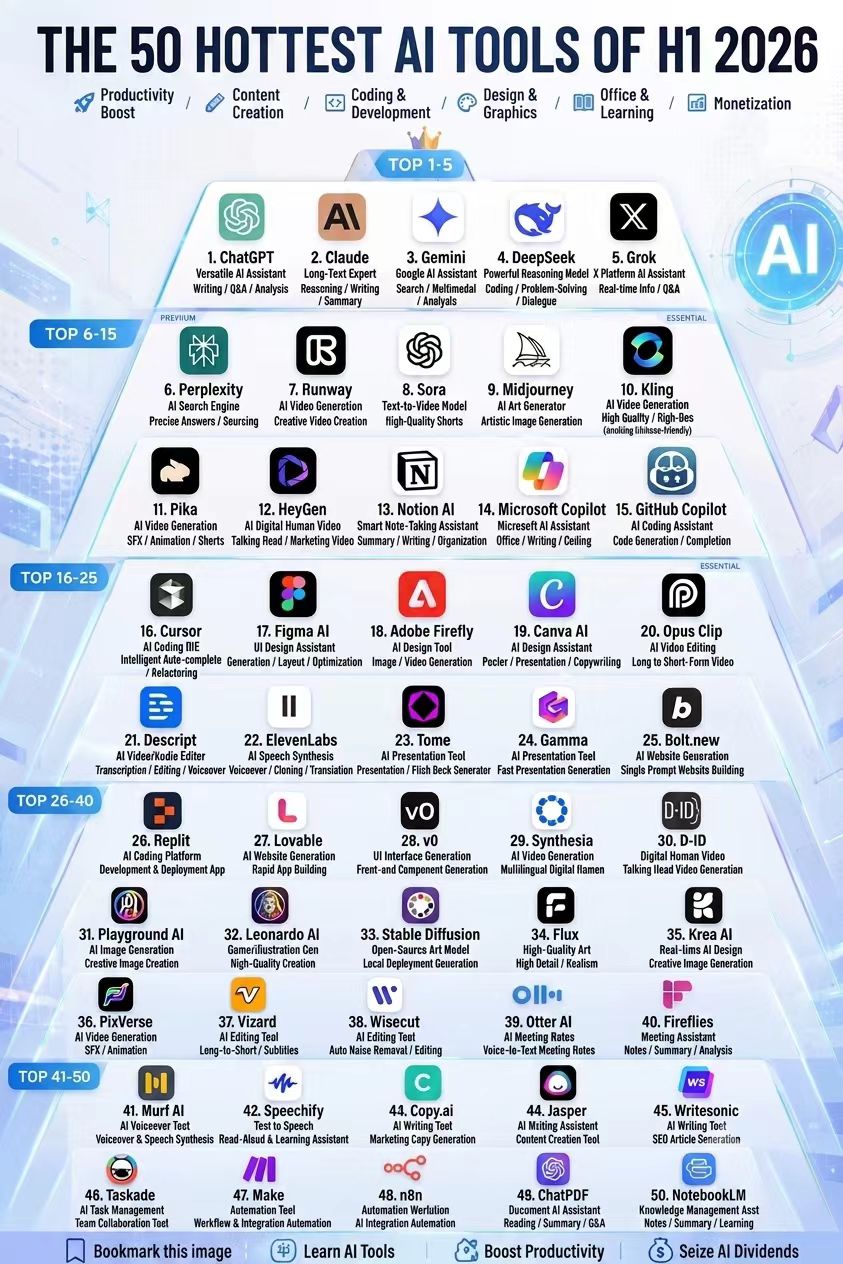
The difference: those posts don’t mention Reddit. They don’t suggest looking outside China’s approved platforms. They don’t imply that foreign internet sources have value that Chinese sources don’t.
Mine did all three.
What This Tells You About China’s Internet
I’m not angry at Xiaohongshu. This is just how the system works.
Chinese internet platforms operate under a regulatory framework that makes them deeply cautious about anything that could be interpreted as: guiding money off-platform, referencing blocked foreign platforms like Reddit, or building communities around financial topics outside approved structures.
My post flagged probably three or four of these triggers simultaneously. An algorithm matched it to a risk profile and executed a permanent ban before a single human likely reviewed it. No followers to lose. No reputation to protect. Just — banned.
This is useful for non-Chinese people to understand. The Chinese internet isn’t just censored on political topics. It’s heavily restricted on anything that could route economic activity outside the officially sanctioned channels. The Great Firewall isn’t just about blocking foreign websites. It’s about keeping value — attention, money, engagement — inside China’s own ecosystem.
What I’m Doing Next
I’m not giving up on building a Chinese-language audience. But the content strategy has to work within the system: no mentions of foreign platforms by name, no suggestions to look outside China, adapt the ideas and strip out the provenance.
Or alternatively — keep doing what I’m doing on this English blog, where none of these rules apply, and where I can write this exact article without worrying that my account will be reset before anyone reads it.
There is something darkly funny about the fact that you, reading this right now, are seeing a story that I cannot legally tell to my Chinese audience on Chinese platforms.
That gap — between what I can say here and what I can say there — is itself a kind of content.
Final Score
Side hustle started: Yes
Content quality: Good (Claude wrote it)
Followers gained: 0
Permanent bans received: 1
Time elapsed: less than 24 hours
My dad’s reaction: less surprised than I was
Account name at time of ban: 小红薯6A319E7B. My favourite username I have ever had.
Planning a trip to China? I also built a free China trip planner — drag-and-drop itinerary for 31 cities with verified opening hours, metro routes, and budget estimates. No Chinese needed.
Share your experience or thoughts below.
Related Reading
- I Translate Western Side Hustle Stories for Chinese Audiences. Here’s How the Gap Works.
- I Used AI to Create 60 Social Media Posts in One Day — Here’s What Actually Happened
- My Goji Berry Website Ran for 6 Years and Never Made Money — Here’s What I Actually Learned
Free Tools From This Blog
Leave a Reply