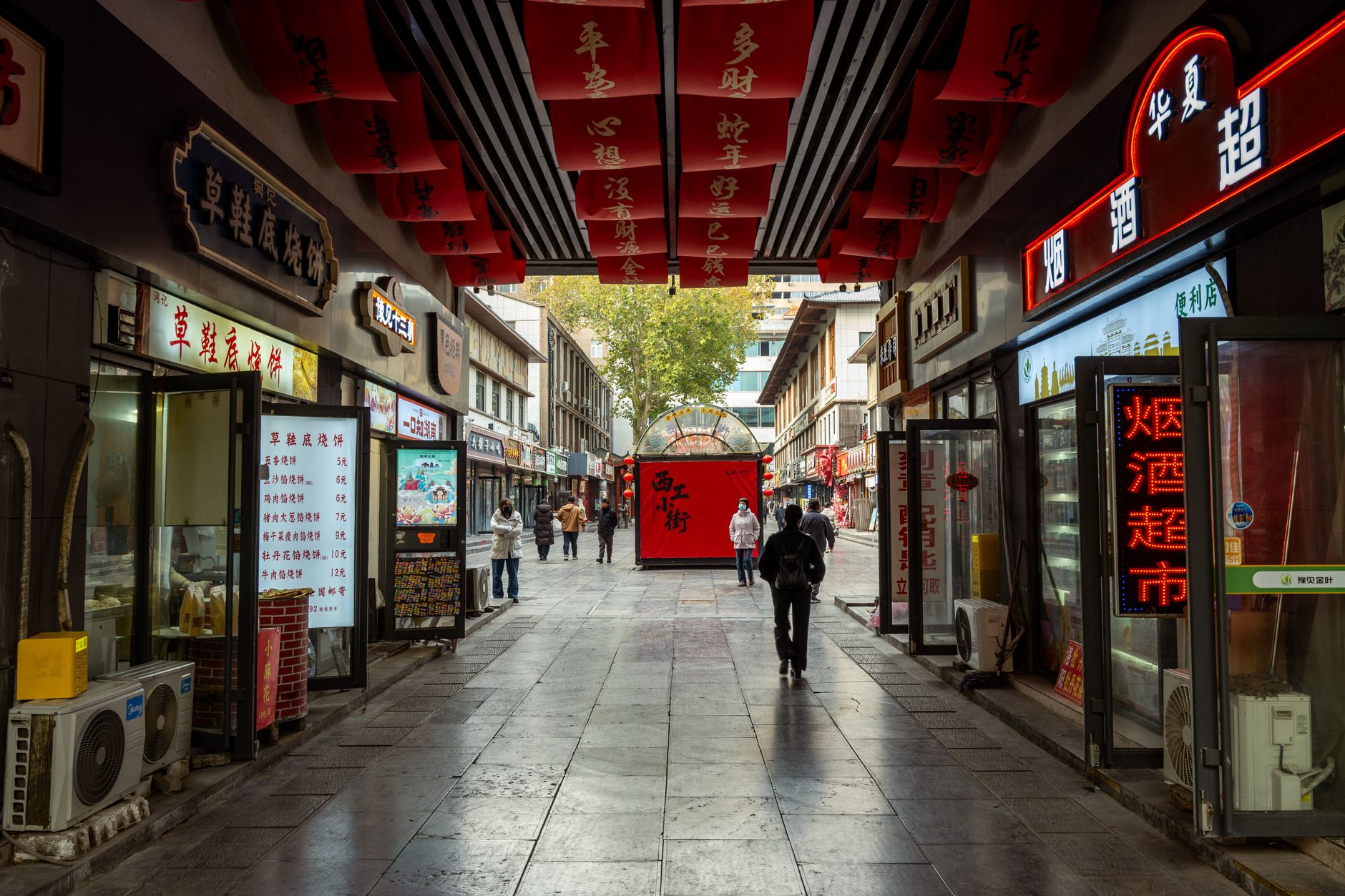
🏯

Suzhou Travel Guide
Top 12 Things to Do • Foreigner-Friendly Tips

苏州 · Venice of the East

🏛️ 9 UNESCO Gardens 🛶 Ancient Canals 💳 Card & Alipay tips 🚇 Metro directions
Humble Administrator's Garden 拙政园
History ¥90 ⏱ 2–3h ⭐ Editor's Pick

Humble Administrator's Garden 拙政园

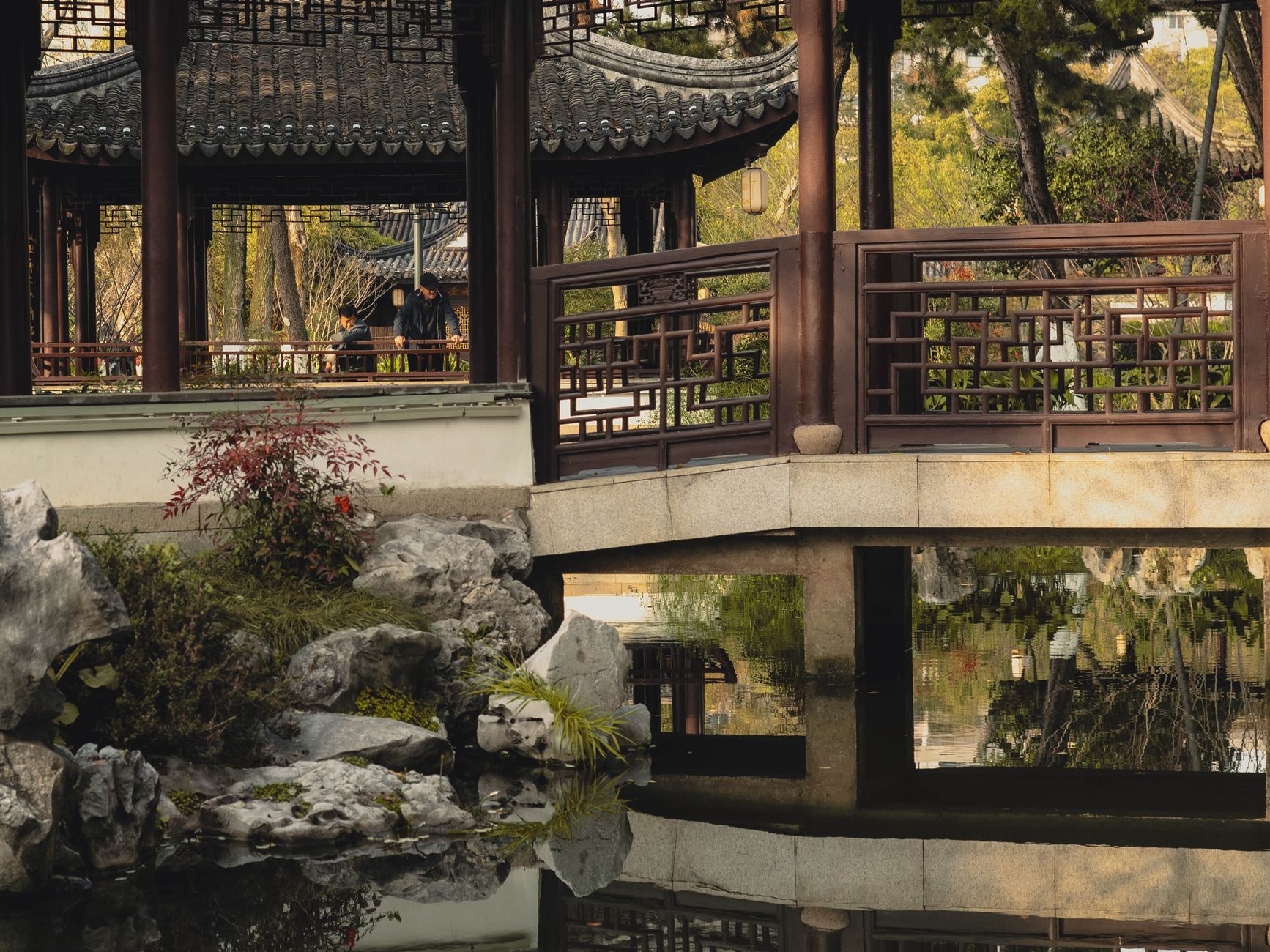
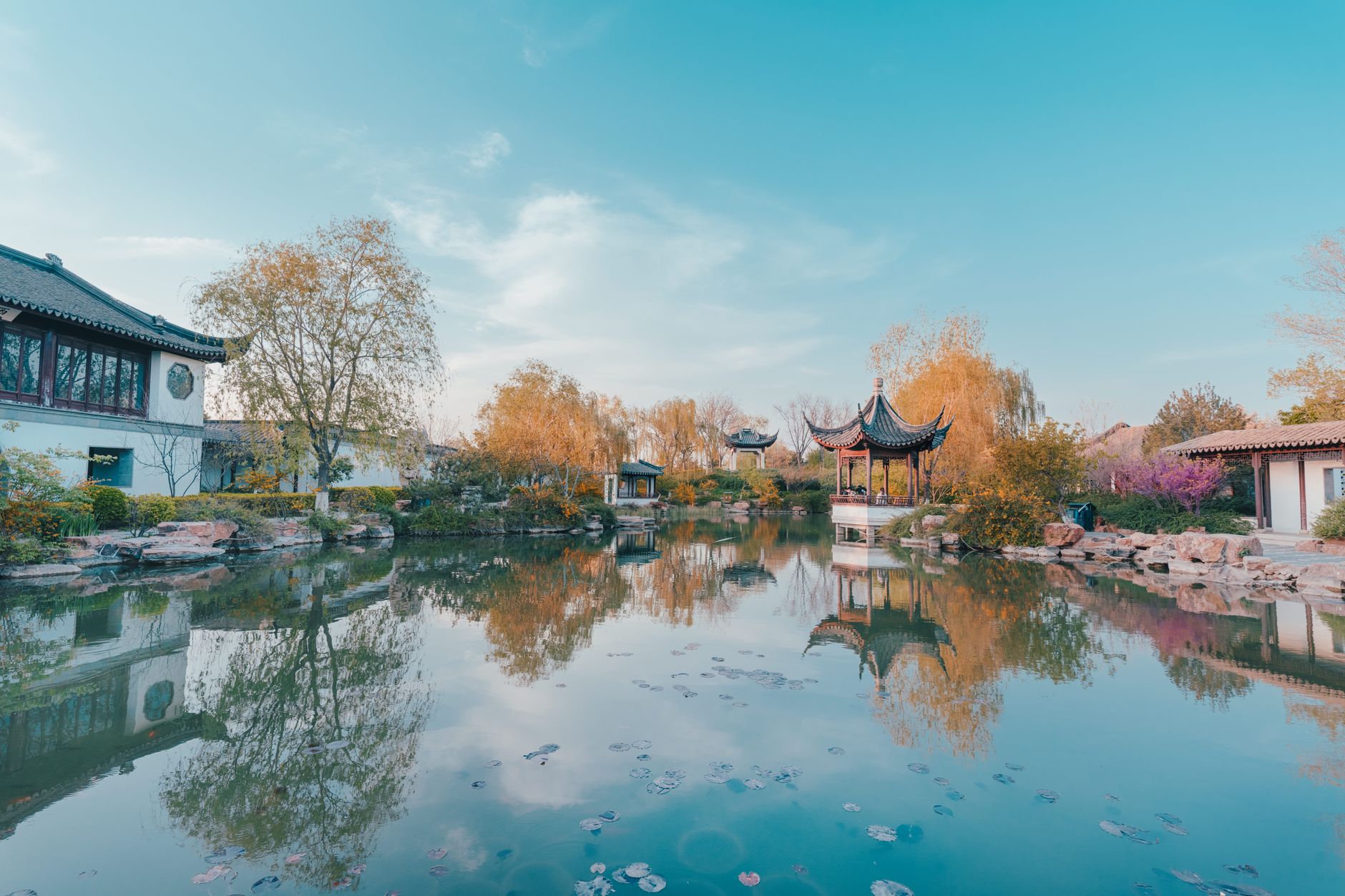
China's largest and most celebrated classical garden — 5.2 hectares of ponds, pavilions, and rockeries dating to 1508 AD. The central pond section is the masterpiece: zigzag bridges, borrowed views of the North Temple Pagoda, and the "Listening to the Rain" pavilion tucked behind lotus beds where raindrops hitting the broad leaves create a natural symphony.

💡 Tip: Enter at 07:30 sharp from the north gate — tour buses park at the south entrance, so you get 30–60 minutes of near-solitude before crowds arrive. The east section is underwhelming; head straight to the central pond. Avoid weekends and holidays entirely if you can.
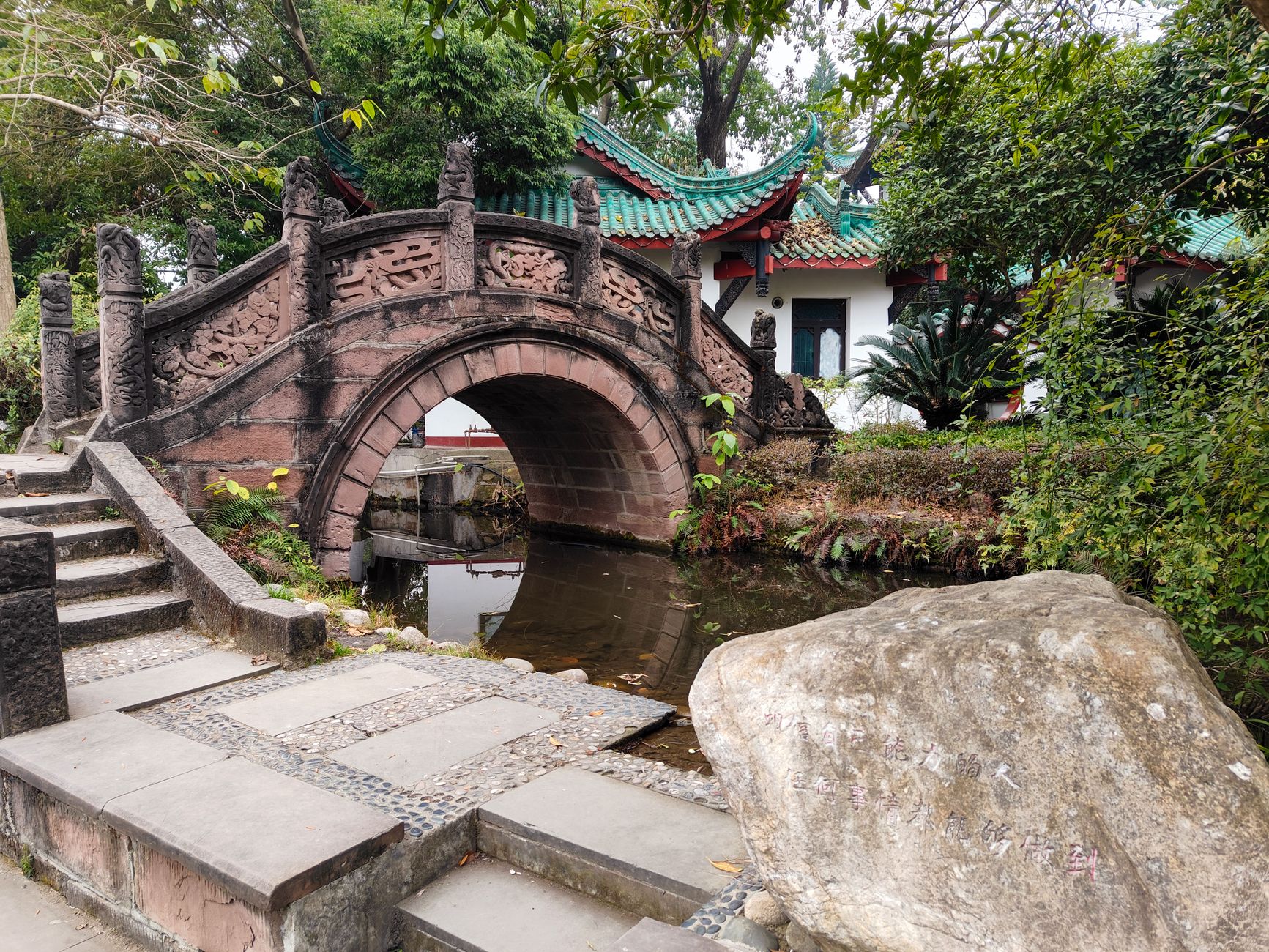
🚇 Line 6, Humble Administrator's Garden & Suzhou Museum Station, Exit 2 🕐 07:30–17:30 (last entry 17:00) 🎟 ¥90 peak (Mar–Nov), ¥70 off-season · online booking recommended
Lion Grove Garden 狮子林
History ¥40 ⏱ 1–2h ⭐ Editor's Pick

Lion Grove Garden 狮子林

Unlike any other Suzhou garden — this Yuan Dynasty maze of limestone rockeries lets you climb through caves, squeeze through narrow passages, and scramble to elevated peaks. The formations were named for their resemblance to lions and once served as meditation labyrinths for Buddhist monks. Kids love it; photographers love the morning light on the stones.

💡 Tip: Climb to the highest rockery peak for a view that doesn't appear in any guidebook — there's a small hidden Buddhist shrine up there too. Skip it in the rain; the limestone becomes dangerously slippery. Go early morning before the tour groups discover it.

🚇 Line 1, Linquan Road Station, Exit B; 10-min walk east 🕐 07:30–17:00 🎟 ¥40 · students half
Pingjiang Road 平江路
Culture Free ⏱ 2–3h

Pingjiang Road 平江路

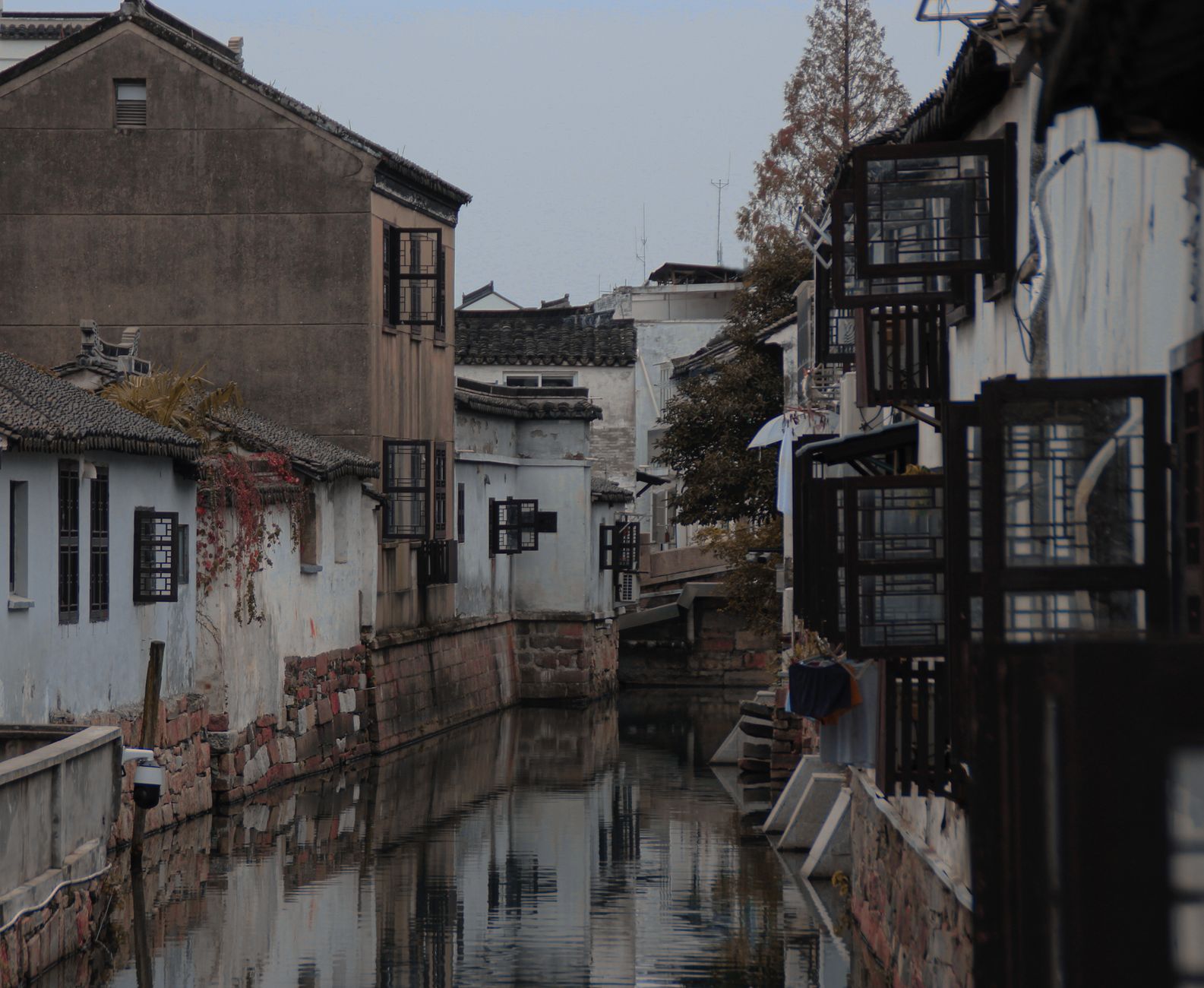
Suzhou's most authentic ancient street — 1.6 km of white-walled houses alongside a canal, with elderly locals playing chess outside their doors while cats nap on stone bridges. Unlike Shantang Street, this neighbourhood still functions as real residential life. Teahouses offer Kunqu opera and Pingtan storytelling; artisan workshops sell genuine silk embroidery; tiny noodle shops serve local dishes without tourist prices.

💡 Tip: Don't stay on the main street — dive into any of the 51 intersecting alleys for the real Suzhou. Take a gondola from Pingjiang Road's own canal stands rather than the touristy spots elsewhere. Evening canal reflections are excellent from the small bridges after 18:00.

🚇 Line 4, Xiangmen Station, Exit A; 10-min walk 🕐 Open 24h; shops 09:00–21:00 🎟 Free; gondola from ¥100 per boat
Shantang Street 山塘街
Landmark Free ⏱ 2–3h

Shantang Street 山塘街

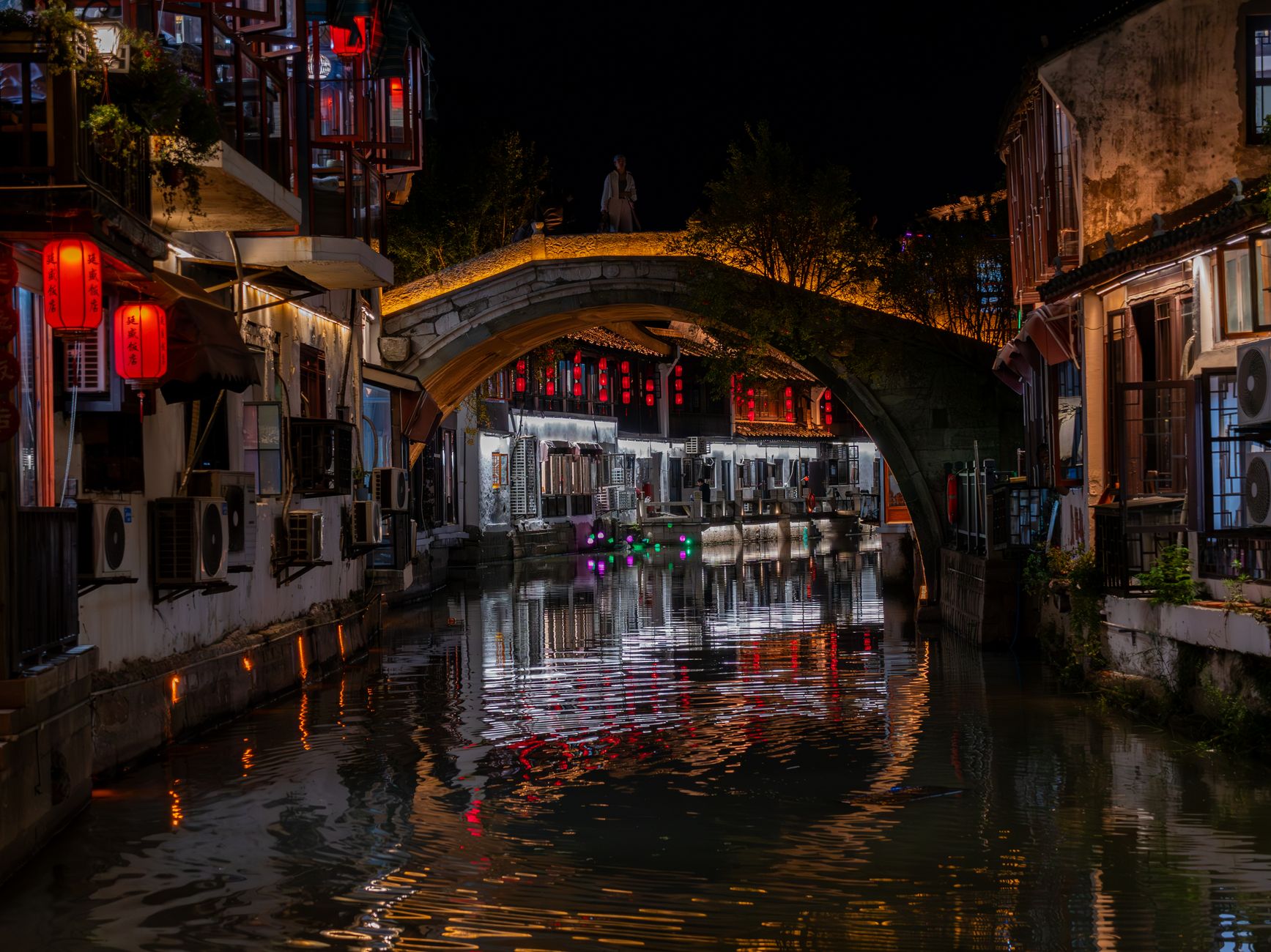
Seven li of canal-front history built by poet Bai Juyi in 825 AD. By day it's pleasant but busy; at dusk the lanterns switch on and reflect gold across the water in what becomes one of China's most photogenic nightscapes. The Changmen Gate end (away from the main entrance) has better restaurants, lower prices, and thinner crowds than the tourist-heavy central section.

💡 Tip: Arrive at 17:30 for the best light before it gets too crowded. Walk toward the Changmen Gate end for waterside restaurants where locals eat. Try river crab soup and osmanthus cake from canal-side stalls. Don't drive — the streets are too narrow and parking is impossible.

🚇 Line 2, Shantang Street Station, Exit C 🕐 Open 24h; shops/restaurants 10:00–22:00 🎟 Free; boat rides from ¥50
Suzhou Museum 苏州博物馆
History Free ⏱ 2–3h ⭐ Editor's Pick

Suzhou Museum 苏州博物馆

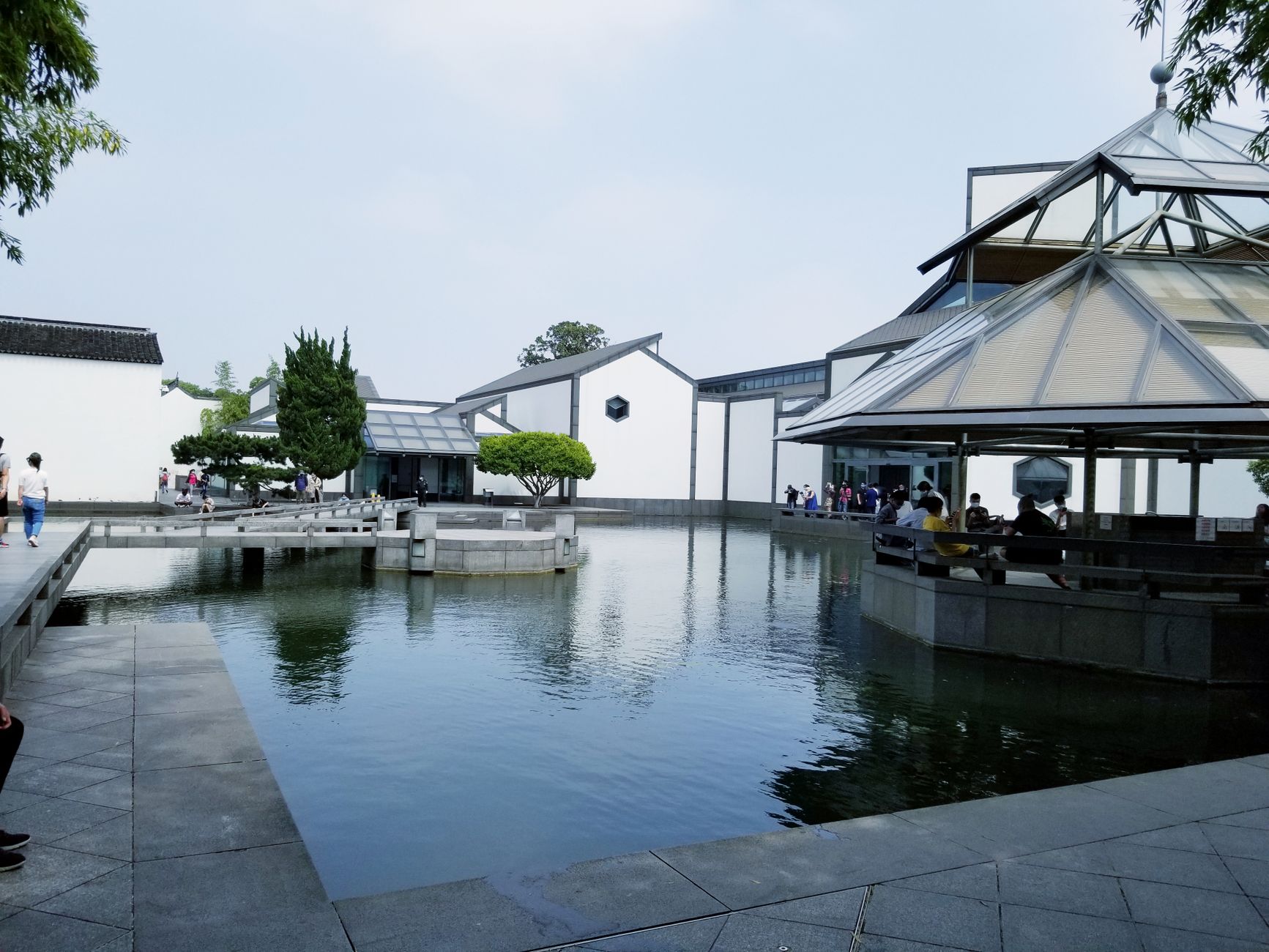
I.M. Pei's final masterpiece — a free museum where triangular rooflines echo the pagodas outside and geometric courtyards house a collection that includes the extraordinary Pearl Relics Treasure Tower (北宋真珠舍利宝幢) covered in 40,000 pearls and deemed one of China's nine national treasures. The building and the exhibits are equally worth your time.

💡 Tip: Tickets release 7 days in advance via WeChat mini-program at 8 AM sharp — set an alarm for 7:55 AM to grab them before they sell out in minutes. Bring your passport. Walk straight through to the museum garden afterward; it's a stunning Pei-designed space most visitors miss. Closed Mondays.

🚇 Line 6, Humble Administrator's Garden & Suzhou Museum Station, Exit 2 🕐 09:00–17:00 (last entry 16:00); closed Mondays 🎟 Free with advance booking (passport required)
Tiger Hill 虎丘
History ¥80 ⏱ 2–3h

Tiger Hill 虎丘

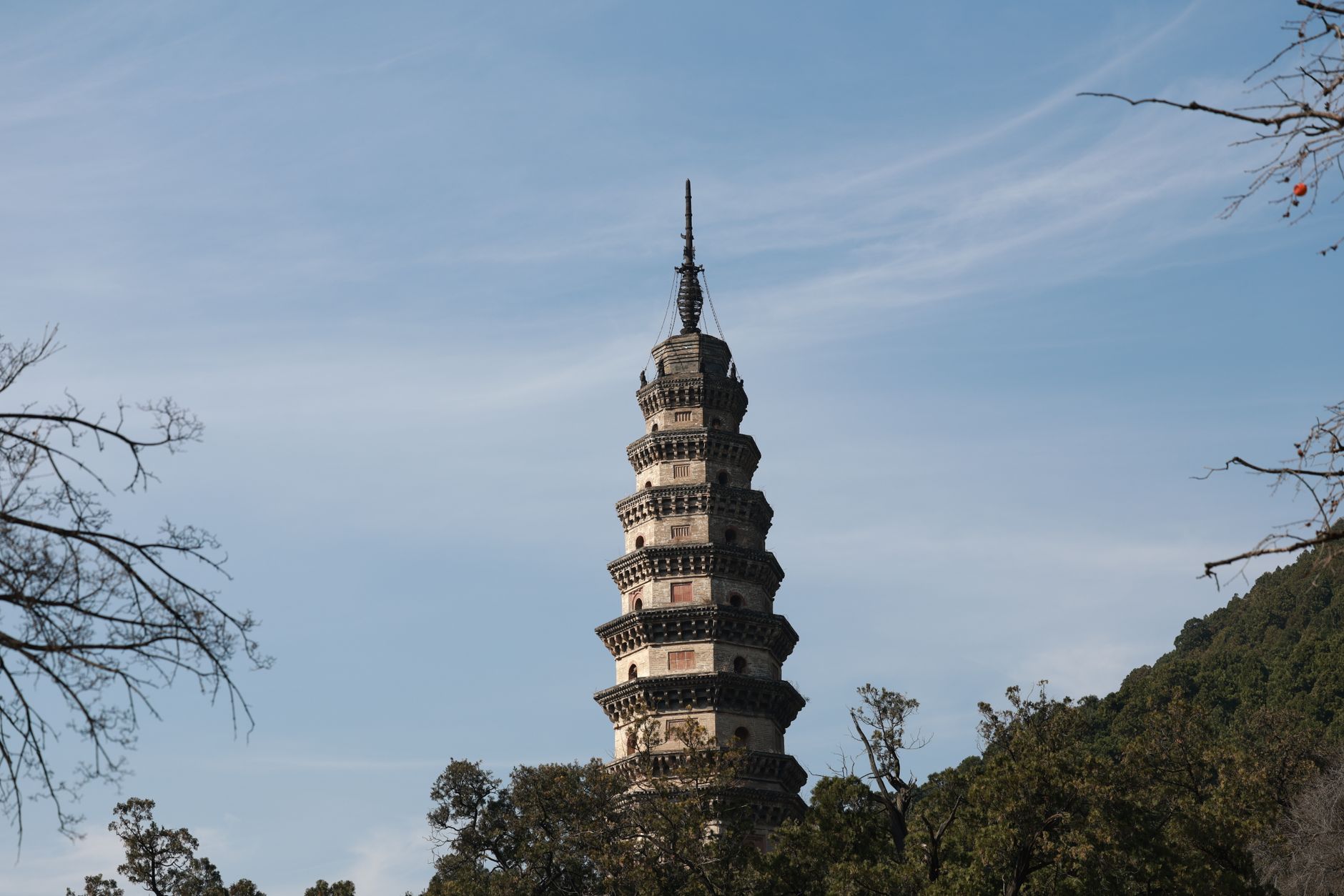
The leaning Yunyan Pagoda has tilted 2.3° since the 10th century — predating Pisa's tower by nearly 200 years. Below it, the Sword Pool legend claims thousands of swords are buried beneath still green water where King He Lü was interred. Su Shi wrote: "Not visiting Tiger Hill is a regret." The panoramic views from the summit reach across western Suzhou.

💡 Tip: The free walking paths around the base give great pagoda views without paying ¥80. Visit mid-morning on a weekday when light hits the leaning tower at a flattering angle. The Sword Pool area has intriguing stone carving legends the audio guide skips over — ask a local guide.

🚇 Line 2, Tiger Hill Station, Exit A; 5-min walk west 🕐 07:00–17:30 🎟 ¥80 · students half
Lingering Garden 留园
History ¥55 ⏱ 1.5–2h

Lingering Garden 留园

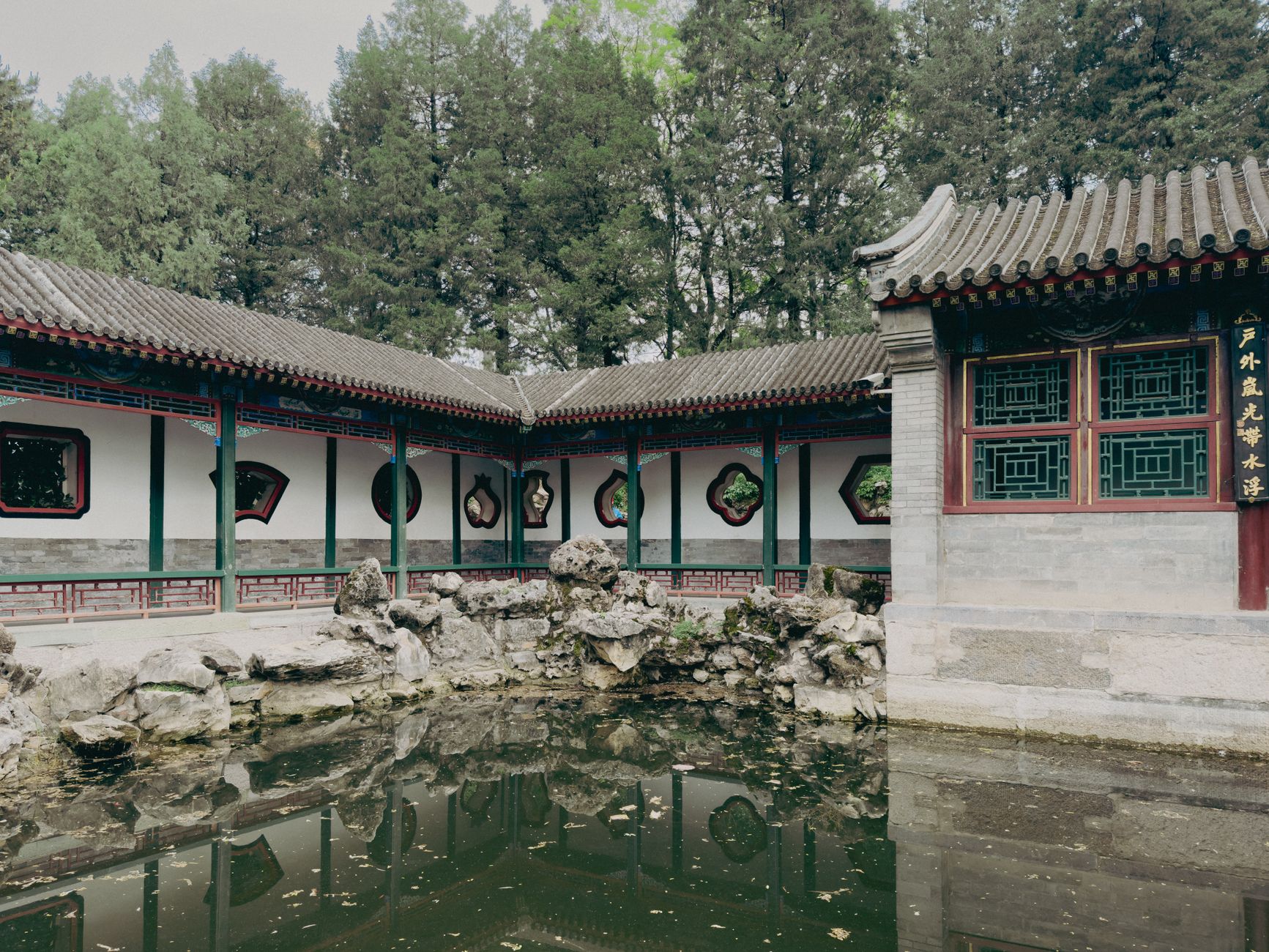
Four distinct garden sections linked by winding ornate corridors that are themselves works of art — the woodwork tells folk tales and the decorative elements change style as you pass from one section to the next. The stone arrangements here are exceptional; some pieces weigh several tons and were transported centuries ago to create precise visual balance. Less visited than Humble Administrator's yet arguably more architecturally refined.

💡 Tip: Enter from the eastern section and go counterclockwise to avoid tour group flow. Find the five-petal flower-shaped courtyard for the best photo opportunity. The corridor walk alone is worth ¥55 — pay attention to the ceiling designs as you walk.

🚇 Line 1, Changle Road Station, Exit A; 15-min walk west 🕐 07:30–17:30 🎟 ¥55 · students half
Master of Nets Garden 网师园
Culture ¥40 ⏱ 1h

Master of Nets Garden 网师园

Suzhou's smallest classical garden packs extraordinary design density — 1/5th the size of Humble Administrator's but no less carefully composed. Famous for its Moon Gate viewing angles and intimate water-edge pavilions. Film crews frequently choose it over larger gardens because every frame looks perfect. Check schedules for the rare evening moonlight performance: traditional music and dance performed under actual moonlight in summer months.

💡 Tip: Arrive exactly at opening time — this tiny garden feels cramped by mid-morning with tour groups. Ask staff about evening moonlight performance dates during summer. The lotus pond in July–August is exceptionally beautiful.

🚇 Line 4, Shifang Road Station, Exit B; 10-min walk 🕐 08:00–17:00 🎟 ¥40 · evening performance extra
Panmen Gate 盘门
History ¥45 ⏱ 1–2h

Panmen Gate 盘门

China's only surviving complete land-and-water gate complex — the Tang Dynasty defensive system of moat, water gate, and land gate still stands intact where no other Chinese city has preserved one. Inside, the Three Pagodas on opposite banks connected by bridges reflect perfectly in the Yangcheng Canal. Suzhou's most underrated photo location, especially at sunrise when the water is still.

💡 Tip: Walk counter-clockwise from the land gate to avoid tour group congestion. Cross the water bridge just after sunrise for empty bridge photos — the reflection doubles the visual impact. The small temple within the compound has peaceful courtyards the main path bypasses.

🚇 Line 4, Panmen Station, Exit A 🕐 08:00–17:00 🎟 ¥45
Jinji Lake 金鸡湖
Modern Free ⏱ 2–3h

Jinji Lake 金鸡湖

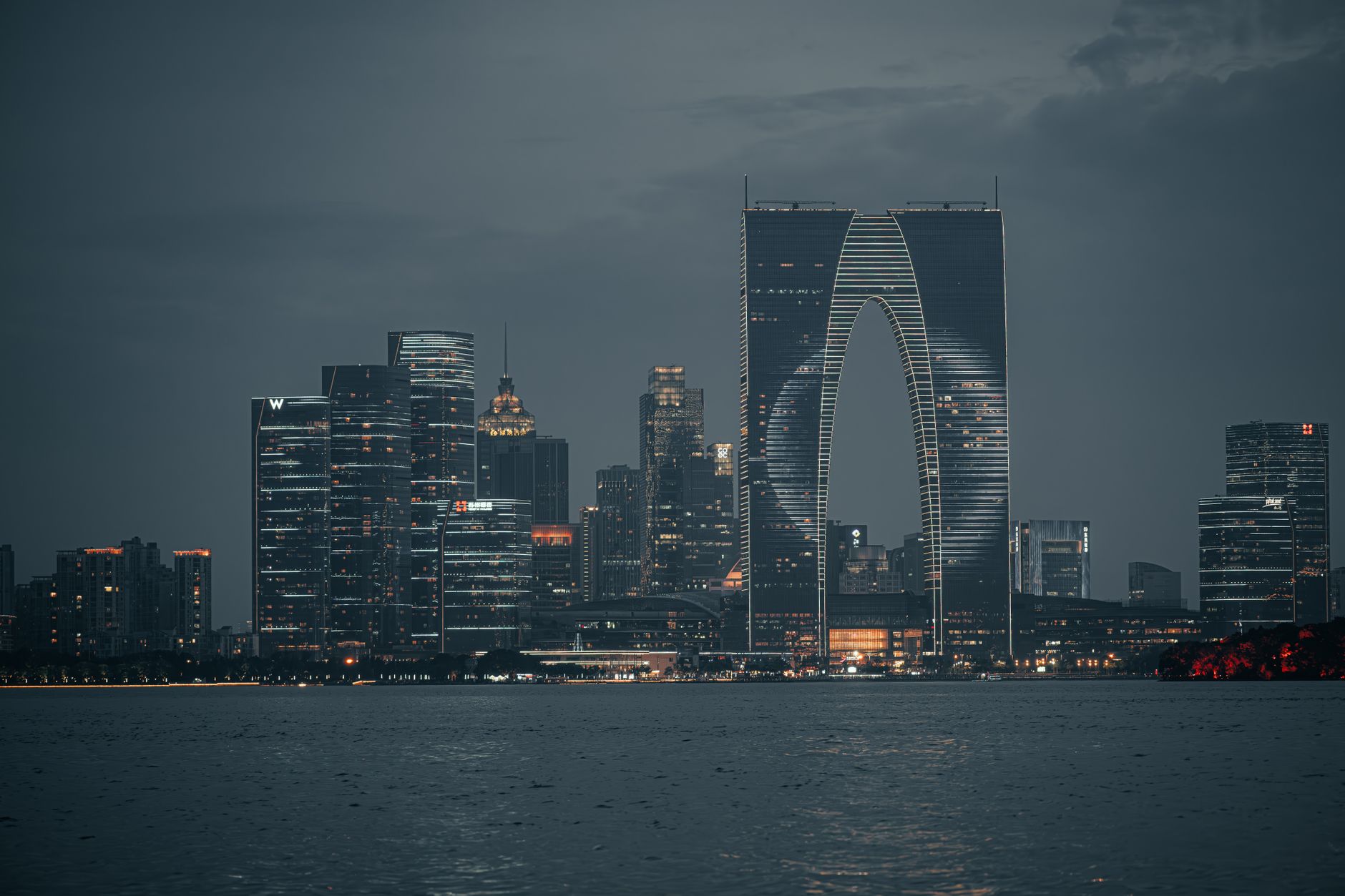
Suzhou's other face — the Suzhou Industrial Park district surrounding this lake is where Singapore-style urban planning meets Chinese tech wealth. The Gate of the Orient skyscraper lights up in a nightly projection show, IFS and Raffles malls have foreign-card-friendly international restaurants, and a lakeside cycling path gives the best skyline reflections after dark. Perfect contrast evening after a day of ancient gardens.

💡 Tip: Rent bikes and circle the lake perimeter for the best skyline shots. This is the only area in Suzhou where your Visa/Mastercard will reliably work at restaurants. Head to the IFS mall food court if you need a familiar meal. Check local listings for the nightly light show start time.

🚇 Line 1, Jinji Lake Station, Exit A 🕐 Open 24h (malls vary) 🎟 Free; bike rental from ¥15/hour
Hanshan Temple 寒山寺
Culture ¥25 ⏱ 1–2h

Hanshan Temple 寒山寺

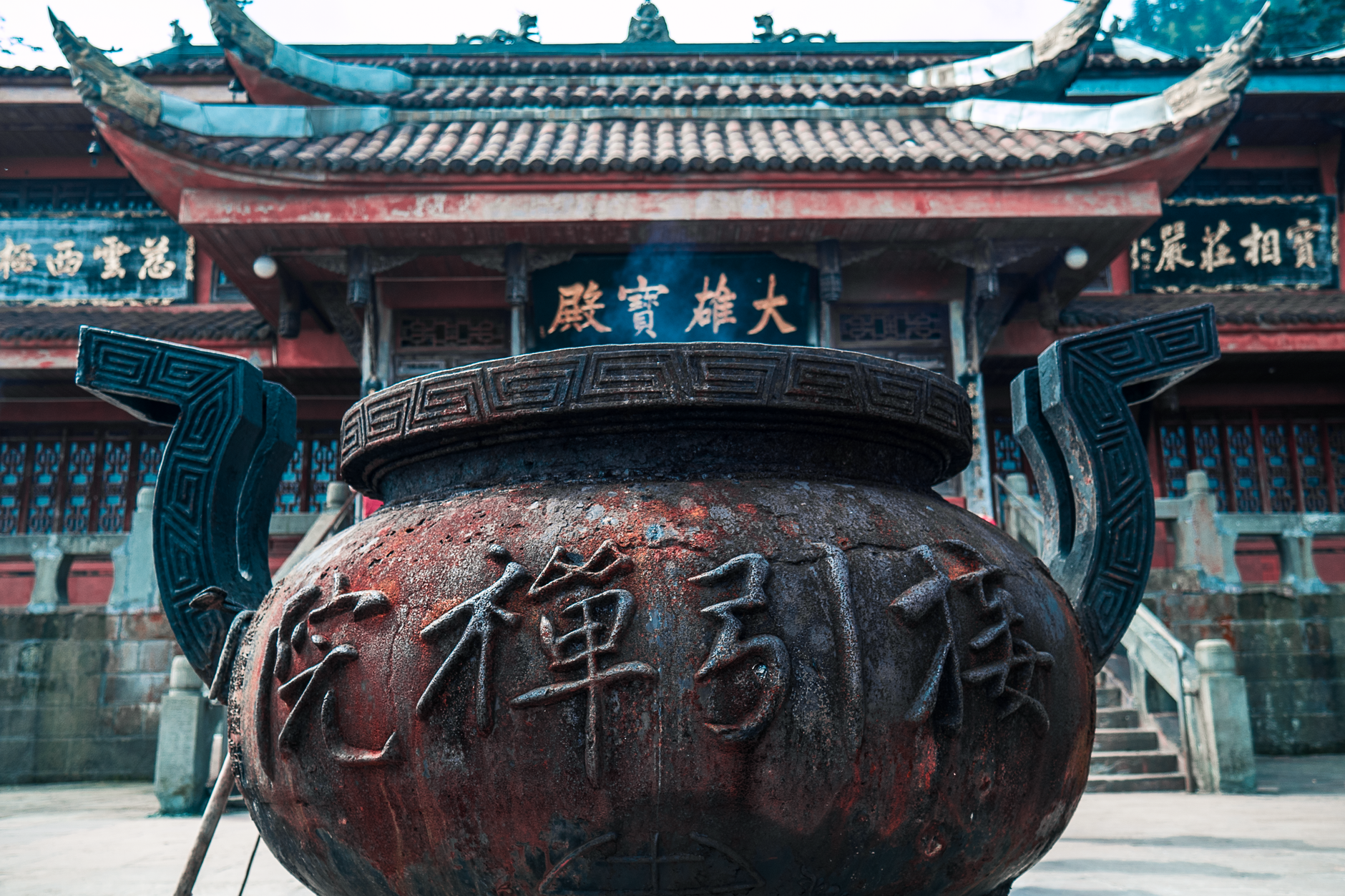
This temple entered world literature through a single Tang Dynasty poem — "Maple Bridge Night Mooring" by Zhang Ji — taught in schools across Japan, Korea, and Vietnam for centuries. The massive bronze bell is believed to bring good fortune; visitors ring it for blessings. The grounds include beautiful gardens, steles of famous calligraphy, and a pavilion where the original poem is carved in stone.

💡 Tip: Go on a weekday morning when monks may be practicing — you can observe peaceful rituals rarely seen by tourists. Buy incense from outside vendors to save ¥15 on temple markups. If visiting around New Year, the midnight bell-ringing ceremony is legendary but extremely crowded.

🚇 Line 1, Hanshan Temple Station, Exit B 🕐 07:00–17:00 🎟 ¥25
Guanqian Street 观前街
Food & Drink Free ⏱ 1.5–2h

Guanqian Street 观前街

Suzhou's oldest pedestrian commercial street, centered on a Ming Dynasty Taoist temple. Unlike the tourist-heavy historic streets, Guanqian is where locals actually shop and eat — century-old candy shops like Old Su Zao Tang (老苏造糖) sell traditional sweets perfect for gifts, and a noodle shop that has operated since 1928 serves excellent Wanzi noodles at no-frills prices.

💡 Tip: Skip the chain stores and hunt for Old Su Zao Tang's traditional candies — they make excellent souvenirs. The 1928 noodle shop near the temple has no sign in English; look for the queue of locals at lunch. Avoid peak lunch hour (12:00–13:30) on weekdays.

🚇 Line 2/4, Guanqian Street Station, Exit B 🕐 Shops 10:00–22:00 🎟 Free

Ready to plan your Suzhou trip?

Use our interactive drag-and-drop planner to build your perfect garden-and-canal itinerary.

Open Suzhou Planner →

🗓️ Perfect 1 Day in Suzhou

Suzhou's gardens are most serene at dawn — the crowds don't arrive until 09:30. Start early or regret it.

07:30–11:30
🌅 Morning
Humble Administrator's Garden (拙政园, ¥90) — enter from the north gate at opening. Spend 2 hours in the central pond section, finding the "Listening to the Rain" pavilion and the zigzag bridge before crowds arrive. Walk 10 minutes to Suzhou Museum (free, pre-book) for I.M. Pei architecture and the pearl relic tower.
13:00–17:00
☀️ Afternoon
DiDi 15 min to Tiger Hill (虎丘, ¥80) — see the 1,000-year-old leaning pagoda and the Sword Pool legend. Return by metro to Pingjiang Road (平江路, free) by 15:30 — walk the canal-side street and dive into 2–3 side alleys for tea at a traditional teahouse (¥30–50 for 2-hour unlimited tea).
17:30–21:00
🌆 Evening
Metro to Shantang Street (山塘街, free) arriving just as the lanterns light up at dusk. Walk toward the Changmen Gate end for waterside dinner — try Squirrel Fish (松鼠鳜鱼, ¥150–200) or simpler noodles (¥30). Spend the final hour photographing the gold-lantern reflections on the canal.

💡 Why this order: Gardens and museum cluster in north Gusu District — do them first while you're fresh. Tiger Hill and Pingjiang Road chain together efficiently. Shantang Street at dusk is the reward — never go there in the afternoon heat.

Practical Tips for Foreign Visitors

💳
Paying in Suzhou
Foreign Visa/Mastercard reliably works only in the SIP (Jinji Lake) area malls and international hotels. In old town — gardens, noodle shops, market vendors — you need Alipay or WeChat Pay linked to your foreign card, or RMB cash. Set up Alipay before you arrive. Carry ¥300–500 cash as backup.
🚇
Metro is your friend
Lines 1, 2, 4, and 6 connect all major attractions in the old city and SIP district. Download the "Su-e-Xing" (苏e行) app and link to Alipay/WeChat — scan QR codes at gates, no ticket machine needed. DiDi works for late nights and luggage-heavy trips. Airport (Shanghai) → Suzhou by high-speed train: 25–35 min.
📅
Book Gardens in Advance
Suzhou Museum: set alarm for 7:55 AM exactly 7 days before your visit — tickets release via WeChat mini-program at 8 AM and sell out in minutes. Humble Administrator's Garden: book online 1–3 days ahead to skip the gate queue. Other gardens can usually be purchased at the gate on weekdays.
🧵
Buying Silk Safely
Never buy silk from roadside stalls on Shantang Street — quality is poor and prices are inflated. Instead, visit the Suzhou Silk Museum (苏州丝绸博物馆) or manufacturer-direct shops near Jinji Lake for authentic embroidery at fair prices. Real double-sided embroidery should look identical on both sides.

Frequently Asked Questions

How do I get from Shanghai to Suzhou?
High-speed train from Shanghai Hongqiao or Shanghai station takes 25–35 minutes and costs ¥40–75. Trains run every 15–30 minutes. Suzhou has no airport — all flights land in Shanghai, Nanjing, or Hangzhou. The connection is seamless enough for a day trip, though 2–3 nights is much better for a real Suzhou experience.
Which Suzhou gardens are worth visiting?
For first-timers: Humble Administrator's Garden (largest, most iconic — go early), Suzhou Museum next door (free, I.M. Pei architecture), plus either Lion Grove (climbable rockeries, active) or Lingering Garden (more refined, less crowded). Master of Nets is tiny but excellent if you catch an evening moonlight performance. Not all 9 UNESCO gardens need to be visited — 3 well-chosen ones leave a stronger impression than rushing through 6.
How do I book Suzhou Museum tickets as a foreigner?
Tickets release 7 days in advance at 8:00 AM via the official WeChat mini-program — they sell out within minutes. Set your alarm for 7:55 AM exactly 7 days before your visit and book the moment the app opens. Bring your passport. Alternative: the special exhibition ticket sometimes has same-day availability and includes full museum access.
What is Suzhou's signature food?
Suzhou cuisine is defined by a sweet-savory balance: Squirrel Fish (松鼠鳜鱼) is the showpiece dish — mandarin fish deep-fried crispy with sweet-sour sauce. Suzhou-style noodles (苏式汤面) with toppings like braised pork, eel, or seasonal shrimp are the daily staple. Also try: pan-fried buns (生煎包), osmanthus cake, and three-shrimp noodles (seasonal May–July). Nothing is spicy unless you specifically request it.
How many days do I need in Suzhou?
Two days covers the essential gardens and canals. Three days adds Tiger Hill, Master of Nets evening performance, and a water town day trip to Zhouzhuang or Tongli. Four days is ideal for unhurried exploration including Jinji Lake modern district, the Silk Museum, and Kunqu opera or Pingtan storytelling at a teahouse. Suzhou rewards slowness — don't rush the gardens.