🌶️

Changsha Travel Guide
Local Secrets • Insider Tips • What Tourists Miss

长沙 · Hunan Province · The Star City

🗺 12 attractions 🕵️ Local secrets 🍜 Budget food guide ⚠️ Scam warnings 🌙 Night life guide 🚇 Metro directions
🗓️ Plan My Changsha Trip with AI → Free · No login · Takes 2 minutes
🌏Planning to work or live in Changsha? We have a full expat guide: housing costs, salary ranges, visa rules, banking, medical, and more.
Expat Guide →

Changsha has kept the same name and location for 3,000 years — longer than any other city in China. The city that raised Chairman Mao has reinvented itself as China's entertainment capital: home to Hunan Satellite TV, the country's top short-video influencers, and a food scene so potent that young people travel from Shanghai just to eat here. Locals call it "Star City" (星城). But almost nothing written about Changsha in English captures how the city actually works — why the streets fill up at 11pm instead of emptying, which museum queue to join 7 days early, or how to board the Orange Isle train without waiting. This guide is built from local Douyin (TikTok) content and Zhihu guides that Chinese travelers share among themselves. We translated it.

🛠️
Why I built this guide

I visited Changsha expecting a mid-tier provincial city — decent food, a few historical sites. I found something entirely different: one of China's most alive cities, and almost no English content that actually helped me navigate it. The Orange Isle queue trick, the 20:00 museum alarm, the fact that the city only comes alive after 10pm — I found all of this in Chinese Douyin and Zhihu guides. Not one English travel site mentioned any of it. I spent weeks reading local content and condensed what was useful into this page. Planning a trip to Changsha used to take hours across a dozen websites. It should take one.

Orange Isle at night with Mao sculpture
Landmark Free ⏱ 2–4h

Orange Isle (橘子洲头)

⭐ Editor: If you only have one afternoon in Changsha, skip everything else and come here — preferably after 7pm when the light show starts and most tourists have gone.

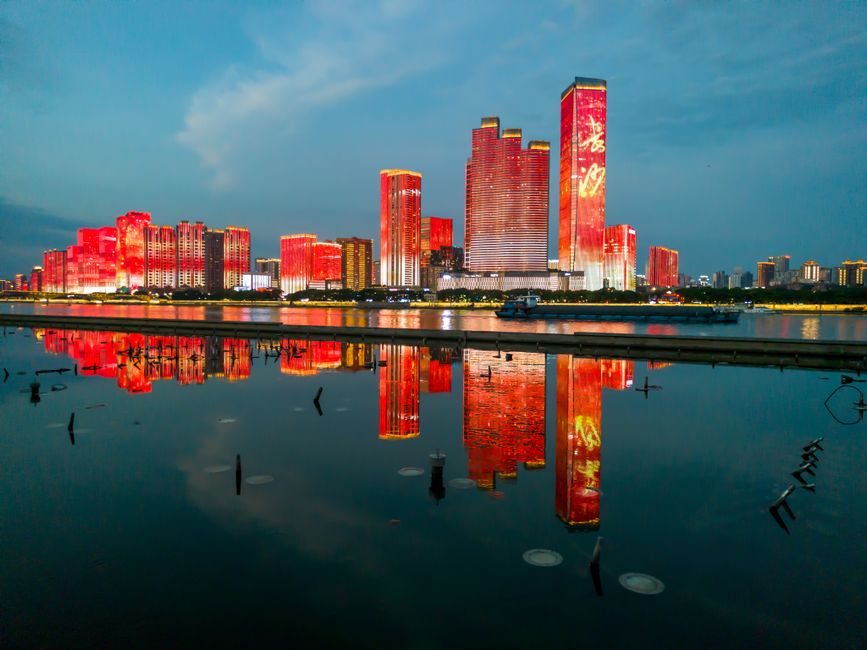
A 6km island sitting in the middle of the Xiang River, Orange Isle is Changsha's defining symbol — the place where the young Mao Zedong wrote his famous poem about "the red in October." The island's main draw is a 32-meter stone sculpture of Mao's face, carved in red granite. Most tourists come during the day in summer heat. The secret most miss: the island at night, after most tourists leave, is an entirely different — and far more beautiful — experience. The riverside lights reflect on the dark water, the giant sculpture glows softly, and the atmosphere of Old Changsha feels tangible in a way it doesn't in daylight.

💡 Local trick: Don't queue at the main sightseeing train boarding point. Walk 300 meters back toward the park entrance to the secondary stop — the same train stops there with zero queue. 80% of tourists don't know it exists. After 7pm, train fare drops to half price (¥20) and includes a light show on the water.

🚇 Line 2, Orange Isle Stn, Exit 1/2 🕐 07:00–22:00 (last entry 21:00) 🎟 Free entry (book 1–3 days ahead); train ¥40 day / ¥20 after 7pm with light show 📍 Open in Google Maps →
⏳ Avg Queue30–60 min
👥 CrowdHigh
🌧️ Rain OK?~ Mostly OK
👨‍👩‍👧 Family✓ Yes
🌐 English~ Partial
💳 Foreign cardCash/Alipay
Hunan Provincial Museum exterior
Culture Free ⏱ 2–4h

Hunan Provincial Museum (湖南省博物馆)

⭐ Editor: The best free museum in any Chinese provincial capital. Mawangdui (Floor 3) alone is worth coming to Changsha for — the 2,100-year-old preserved body is genuinely extraordinary.

Nine floors covering 3,000 years of Hunan and Chinese history. The museum is world-class by any standard, but one exhibit puts it in a category of its own: the Mawangdui collection on Floor 3 (马王堆汉墓). Here lies Lady Xin Zhui — buried in 168 BC and discovered in 1972 in such extraordinary condition that her skin was still pliable, her blood type still identifiable. Photgraphy of the body is not permitted, and the room gets hushed. The surrounding galleries have silk paintings and lacquerware that are among the finest Han dynasty artifacts anywhere in the world.

💡 Booking trick: Tickets are free but release exactly 7 days in advance at 20:00 Beijing time (8pm sharp). Set an alarm — they sell out in under a minute on busy dates. Go straight to Floor 3 (Mawangdui) when you arrive; it gets crowded by mid-morning. Closed Mondays.

🚇 Line 6, Xiangya Hospital Stn, Exit 2 🕐 09:00–17:00 (last entry 16:00) · Closed Mon 🎟 Free — reserve on WeChat mini-program exactly 7 days ahead at 20:00 📍 Open in Google Maps →
⏳ Avg QueuePre-book only
👥 CrowdMedium
🌧️ Rain OK?✓ Fully indoor
👨‍👩‍👧 Family✓ Yes
🌐 English✓ Yes (signage)
💳 Foreign cardFree entry
Yuelu Mountain forest trail
Nature Free ⏱ 2–5h

Yuelu Mountain (岳麓山)

A 300-meter forested hill rising directly from the west bank of the Xiang River — one of the most accessible nature spots of any Chinese provincial capital. The tourist route goes: cable car up the east gate, pavilion at the summit, toboggan slide down (¥35, genuinely fun). But most visitors miss the quieter option: enter through Hunan University campus via the Zibiting (自卑亭) path on the back side. Fewer crowds, older trees, and the strange pleasure of walking through an active university that has existed on this slope for 1,000 years. Red maple leaves peak late November.

💡 Local route: Take the Hunan University campus entrance (岳麓书院 side, Line 4 Hunan University Stn) for the quieter uphill path. The main cable car entrance (east gate, Line 2/4 Yingwanzhen Stn Exit 3) is faster but crowded on weekends. Cable car ¥50 up only; toboggan down is the best exit.

🚇 Line 2/4, Yingwanzhen Stn Exit 3 (cable car) or Line 4, Hunan Univ Stn (quiet route) 🕐 06:00–22:00 🎟 Free entry; cable car ¥50 up; toboggan ¥35 📍 Open in Google Maps →
⏳ Avg Queue10–20 min
👥 CrowdMedium
🌧️ Rain OK?✗ Avoid rain
👨‍👩‍👧 Family✓ Yes
🌐 English✗ No
💳 Foreign cardCash/Alipay
Yuelu Academy courtyard
History ¥40 ⏱ 1–2h

Yuelu Academy (岳麓书院)

Founded in 976 AD during the Song dynasty, Yuelu Academy is one of China's four great ancient academies — and uniquely, it never stopped functioning. Today it operates as part of Hunan University, which grew up around it. The result is a working 1,000-year school where students study in the same courtyards where Zhu Xi (朱熹) lectured to 1,000 students in 1194 AD, and where Wang Fuzhi (王夫之), one of the most important Confucian scholars of the Ming dynasty, once studied. Combine with Yuelu Mountain — they share an entrance area on the west bank.

💡 Tip: Students are still studying here. Keep voices down in the library and study halls. The best light for photos is morning before 9am when the stone courtyards glow gold. The plaque "实事求是" (seek truth from facts, later adopted by Mao) is original.

🚇 Line 4, Hunan University Stn 🕐 Peak season 07:30–18:00 · Off-season 08:00–17:30 🎟 ¥40 (students ¥20, under-14 and over-65 free) 📍 Open in Google Maps →
⏳ Avg Queue5–10 min
👥 CrowdLow
🌧️ Rain OK?~ Partially OK
👨‍👩‍👧 Family~ Partially
🌐 English✗ No
💳 Foreign cardAlipay only
Wuyi Square and Huangxing Road at night
Food & Nightlife Free ⏱ 2–5h

Wuyi Square & Huangxing Road (五一广场 / 黄兴路)

⭐ Editor: Non-negotiable. Changsha's night food culture peaks here between 22:00 and midnight — everything before 10pm is just the warm-up act.

Ground zero for Changsha's night economy — and among the most concentrated street food and entertainment zones in China. The 2km pedestrian spine linking Wuyi Square and Huangxing Square fills with crowds from 8pm onwards, peaking around 10–11pm. The famous pink zebra crossing is here (genuinely worth seeing when lit at night). Chayan Yuese (茶颜悦色) milk tea stores appear every 50 meters — don't wait at one branch if it has a queue, walk to the next. Stinky tofu smoke fills the air constantly. Bring your stomach and patience.

💡 Scam warning: Young women approach tourists near this area offering "free" hairstyling sessions — this always leads to an extremely inflated bill. Say no to anyone who approaches you with a camera or comb. Also: the branded small snack vendors on the main pedestrian strip charge 3–5× the price of the identical snacks 200m off-street.

🚇 Line 1/2, Wuyi Square Stn 🕐 Open all day; peak activity 20:00–02:00 🎟 Free 📍 Open in Google Maps →
⏳ Avg QueueNo queue
👥 CrowdVery High
🌧️ Rain OK?✗ Avoid rain
👨‍👩‍👧 Family~ Partially
🌐 English✗ No
💳 Foreign card~ Alipay/cash
Taiping Old Street at night
History & Food Free ⏱ 1–2h

Taiping Old Street (太平老街)

The best-preserved section of old Changsha's commercial core, with Ming and Qing dynasty stone-paved lanes running east–west alongside artisan shops and food stalls. Walk it at night under lantern light for the most atmospheric version. The lane connects west to Pozi Street (坡子街, older feel, more food stalls) and north toward IFS. This three-block area — Taiping + Pozi + Shaoshan Road — forms the most concentrated traditional street food cluster in the city.

💡 Tip: Visit early morning (before 9:30am) for quiet photos of the traditional facades without crowds. The stalls selling sugar-oil rice cakes (糖油粑粑) here are made fresh and taste better than the tourist-facing versions on Huangxing Road.

🚇 Line 1/2, Wuyi Square Stn, 5-min walk south 🕐 Open all day; stalls from 10:00, best 19:00–23:00 🎟 Free 📍 Open in Google Maps →
⏳ Avg QueueNo queue
👥 CrowdMedium
🌧️ Rain OK?✗ Avoid rain
👨‍👩‍👧 Family✓ Yes
🌐 English✗ No
💳 Foreign cardAlipay/cash
KAWS statue on IFS rooftop Changsha
Landmark Free ⏱ 1–2h

Changsha IFS & KAWS Rooftop (长沙IFS)

The city's most prestigious mall is known globally for one thing: the giant KAWS "SEEING/WATCHING" figure displayed on the 7th floor rooftop terrace. It went viral in 2021 and has become the city's signature photo spot — the surreal blue figure overlooks the entire Wuyi Square district from above. The rooftop viewing platform is free. The mall connects directly to the Huangxing Road pedestrian zone and Taiping Old Street, so combine all three in one circuit without a taxi.

💡 Tip: The KAWS rooftop is best photographed in the early evening when the sky turns blue and the mall lights come on. Mornings are empty and good for solo shots. Entry to the mall is free; go to Floor 7 and follow signs to the outdoor terrace.

🚇 Line 1/2, Wuyi Square Stn 🕐 Mall: 10:00–22:00; rooftop follows mall hours 🎟 Free (rooftop viewing free) 📍 Open in Google Maps →
⏳ Avg QueueNo queue
👥 CrowdLow–Med
🌧️ Rain OK?✓ Fully indoor
👨‍👩‍👧 Family✓ Yes
🌐 English✓ Yes (mall)
💳 Foreign card✓ Cards OK
Dufu River Pavilion lit up at night
History ¥18 ⏱ 1–2h

Dufu River Pavilion (杜甫江阁)

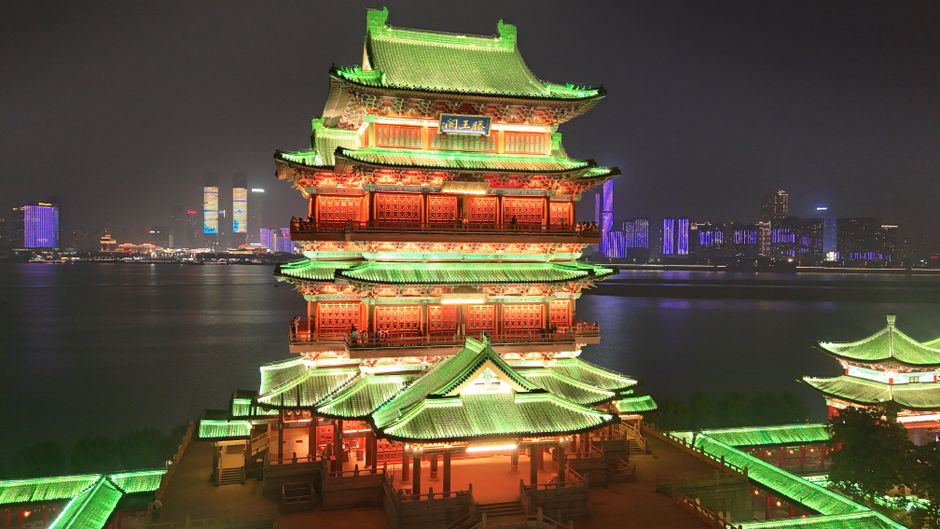
A riverside pavilion commemorating Tang dynasty poet Du Fu (杜甫, 712–770 AD), who spent his final years near Changsha and died on the Xiang River. The current structure is a reconstruction of the original, but the riverside position — directly on the bank with views of Orange Isle across the water — is historically accurate. The pavilion is honestly mediocre during the day. But after 7:30pm in summer, when it lights up in warm gold against the dark river with Orange Isle glowing in the background, it takes on a completely different and genuinely beautiful quality.

💡 Tip: Visit after 19:30 during summer for the light show. Combine with a riverside walk south along the Xiang River promenade — the 2km stretch from here to Tianxin Pavilion is at its best on warm evenings. Night show ticket ¥58.

🚇 Line 1, Nanmenkou Stn, Exit 1, 10-min walk 🕐 09:00–22:00 (last ticket 21:30) 🎟 Day ¥18 (students/seniors ¥9) · Night show ¥58 📍 Open in Google Maps →
⏳ Avg Queue5–10 min
👥 CrowdLow
🌧️ Rain OK?~ Partially OK
👨‍👩‍👧 Family✓ Yes
🌐 English✗ No
💳 Foreign cardAlipay only
Super Wenheyou interior alleyways
Food & Culture Free to visit ⏱ 1–3h

Super Wenheyou (超级文和友)

⭐ Editor: Nothing else in China looks like this. Worth visiting even if you're not eating — the immersive 1980s alleyways across 7 floors are unlike anything in Chinese tourism.

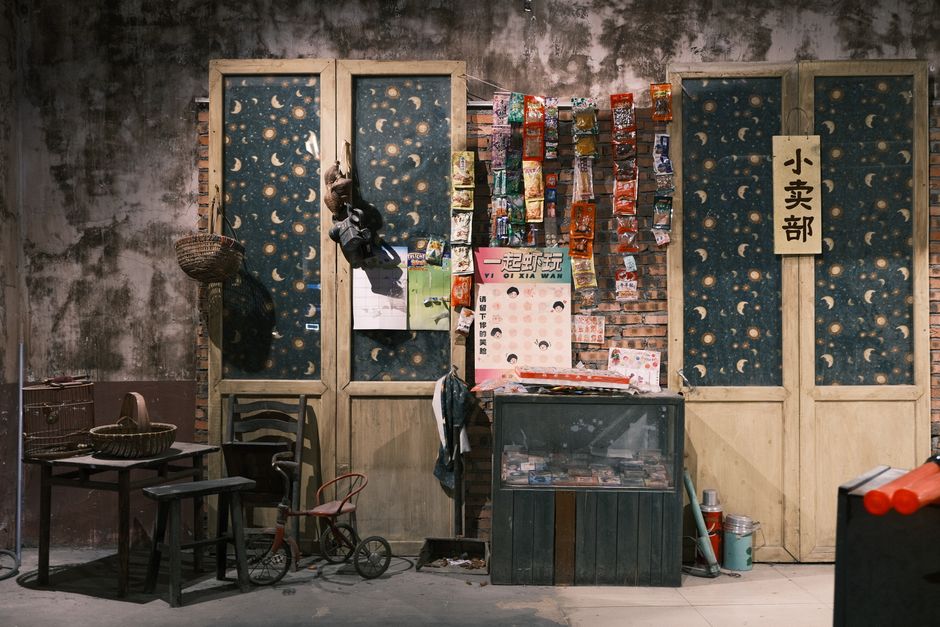
Seven floors of immersive nostalgia — a faithful recreation of Changsha's old residential alleyways circa 1985, complete with laundry hanging from windows, propaganda posters, vintage storefronts, and the smells of crayfish and stinky tofu. It became the most viral restaurant concept in China, spawned imitators nationwide, and is now considered a cultural landmark. Here's the key thing: just exploring the floors costs nothing. Enter via the mall on Floor 2 or 5 and wander freely. Eating requires a queue number from the WeChat mini-program (超级文和友 mini-program), which sells out fast.

💡 Critical timing: Grab a dining queue number before 16:00 if you want to eat — evening waits exceed 2 hours. The crayfish (小龙虾) is genuinely excellent. Budget ¥100–180 per person for a full meal. Open until 3am.

🚇 Line 1, Nanmenkou Stn, 10-min walk 🕐 11:00–03:00 🎟 Free to visit · ¥100–180pp to dine 📍 Open in Google Maps →
⏳ Avg Queue0–120 min!
👥 CrowdVery High
🌧️ Rain OK?✓ Fully indoor
👨‍👩‍👧 Family✓ Yes
🌐 English✗ No
💳 Foreign cardAlipay only
Window of the World theme park Changsha
Entertainment ¥200 ⏱ 4–8h

Window of the World (世界之窗)

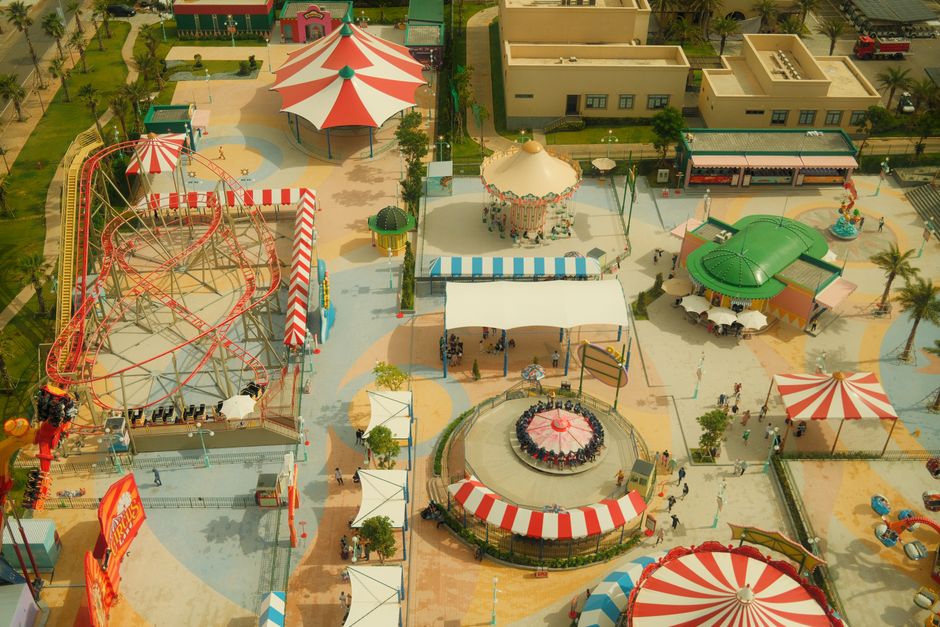
An enormous theme park with 50+ rides spread across a vast site organized by global region — mini Eiffel Tower, Egyptian pyramids, Venetian canals, Aztec temples. Pure entertainment for families, and honestly better than the concept sounds. The rides are legitimately good. The park adds a water park in summer and themed evening shows on holidays. Best on weekday mornings when queues are short.

💡 Tip: Buy the ¥99 twilight ticket (valid after 17:00) if you only want the evening light shows and don't need the rides. Under 1.3m free. Go on a weekday for the shortest queues.

🚇 Line 5, Malanshan Stn 🕐 Sun–Thu 09:00–22:00 · Fri–Sat 09:00–23:00 🎟 ¥200 full day (kids/seniors ¥100) · ¥99 twilight after 17:00 📍 Open in Google Maps →
⏳ Avg Queue30–45 min
👥 CrowdHigh
🌧️ Rain OK?~ Mixed (some rides covered)
👨‍👩‍👧 Family✓ Yes
🌐 English~ Partial
💳 Foreign cardAlipay/card
Tianxin Pavilion and city wall
History ¥32 ⏱ 1–2h

Tianxin Pavilion (天心阁)

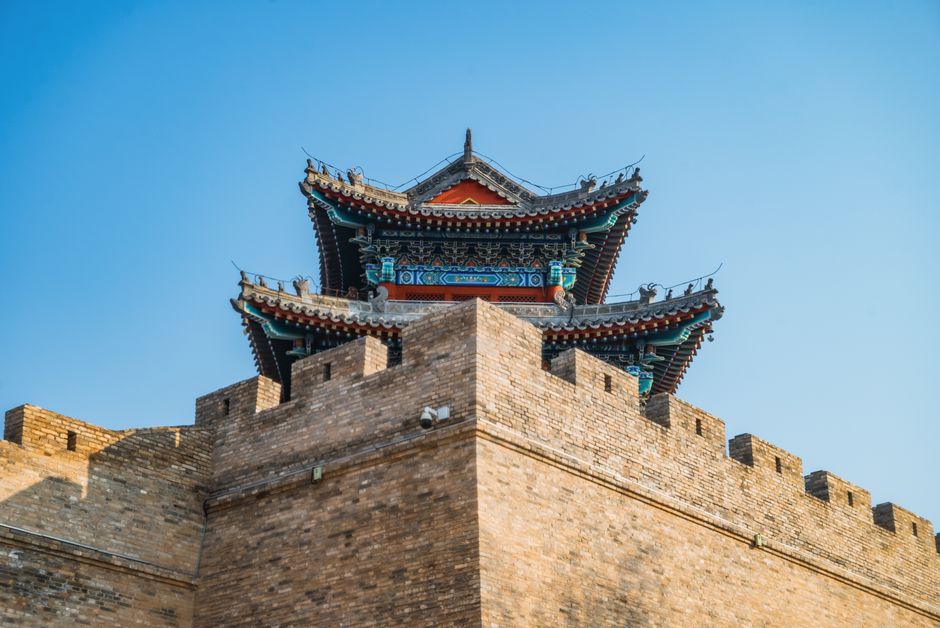
A Qing dynasty pavilion built on the only surviving section of Changsha's ancient city wall. The city walls were mostly demolished in the 20th century — this stretch, with bricks from multiple dynastic periods still visible and inscribed, is the only remnant. From the pavilion's upper floors you can see across the old city district. Summer evening concerts on the wall-top terrace create an unexpectedly atmospheric experience. Worth pairing with a Taiping Street food walk (15-min walk north).

💡 Tip: The evening ticket (¥58) includes live traditional music performances on the wall terrace from late June to September. The regular day ticket (¥32) is enough to see the wall and pavilion.

🚇 Line 1, Huangxing Square Stn, 14-min walk south 🕐 Day 09:00–18:00 · Evening 19:00–22:00 🎟 Day ¥32 (students/seniors ¥16) · Evening ¥58 📍 Open in Google Maps →
⏳ Avg Queue5 min
👥 CrowdLow
🌧️ Rain OK?✗ Avoid rain
👨‍👩‍👧 Family✓ Yes
🌐 English✗ No
💳 Foreign cardAlipay only
Xie Zilong Photography Museum dramatic staircase
Culture & Art Ground floor free ⏱ 1–2h

Xie Zilong Photography Museum (谢子龙影像艺术馆)

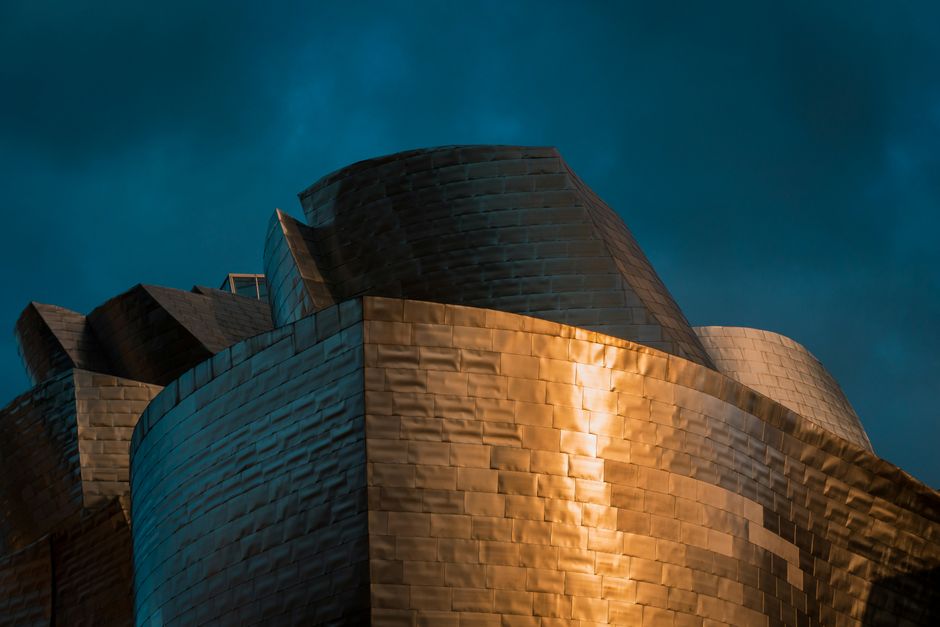
Possibly the most architecturally striking building in Changsha — a series of bold geometric concrete volumes designed by architect Li Xinggang. Most visitors come as much for the building as the photography: the dramatic internal staircase has become one of the city's signature photo spots, regularly appearing in Chinese travel content. The ground floor is free (show your ID to collect a ticket). Permanent collection on upper floors is good; rotating temporary exhibitions are often excellent. Closed Mondays. Adjacent to the Li Zijian Art Museum, making this a natural two-museum afternoon.

💡 Tip: Come in the morning when natural light hits the staircase from the skylights above. Afternoon visits mean crowds and flat light. The best angle for the staircase is from the bottom floor looking up.

🚇 Line 3, Yanghu Wetland Stn, Exit 3 🕐 10:00–18:00 (closed Mon, last entry 17:00) 🎟 Ground floor free (ID required) · Special exhibitions ¥80–150 📍 Open in Google Maps →
⏳ Avg QueueNo queue
👥 CrowdLow
🌧️ Rain OK?✓ Fully indoor
👨‍👩‍👧 Family~ Partially
🌐 English✗ No
💳 Foreign cardAlipay only

Ready to plan your Changsha trip?

Use our interactive drag-and-drop planner to build your perfect itinerary — filter by budget, duration, and vibe. Then export it to your phone.

Open Changsha Planner →

🗓️ Perfect 1 Day in Changsha

Changsha is most alive after dark. Plan accordingly: museum in the morning, sightseeing in the afternoon, save your energy and appetite for the evening food circuit. Nothing important closes before midnight.

09:00–12:00
🌅 Morning
Hunan Provincial Museum (free — book exactly 7 days ahead at 20:00, tickets sell out in under a minute). Go straight to Floor 3 for Mawangdui when you arrive. The 2,100-year-old preserved body of Lady Xin Zhui is extraordinary. Allow 2–3 hours. Closed Mondays.
13:30–17:00
☀️ Afternoon
Metro Line 2 to Orange Isle (橘子洲头) — book timed entry 1–3 days ahead. Take the sightseeing train to the giant Mao sculpture. Trick: Walk 300m back from the main boarding station to the secondary stop — board with zero queue. After 17:00, cross to Yuelu Mountain for a short walk or cable car for sunset views.
18:30–00:00
🌆 Evening
Metro to Wuyi Square / Huangxing Road: stinky tofu (黑色经典 brand, ¥5–8), sugar-oil rice cakes (¥8), Chayan Yuese milk tea (¥20–28 — walk to any branch without a queue). If dining at Super Wenheyou, grab your queue number before 16:00. After eating, walk the Xiang River promenade or find a riverside tea stall (¥15 deck chair, local beer ¥8).

💡 Why this order: Museum (west side, Line 6) → Orange Isle (Line 2 west) → Wuyi Square (Line 2 east, city center) is an efficient arc. All on Metro Lines 2 and 6. No taxi needed. The key insight: don't go home at 22:00 — Changsha only gets better from there.

🧳 What Every First-Timer Actually Needs to Know

The five questions foreign visitors always end up asking — answered before you have to ask them.

1Where can I use my Visa or Mastercard?
✓ Always worksInternational hotels (Marriott, Niccolo, Indigo), IFS mall (Apple, Gucci, LV), Sam's Club, AEON, airport duty-free, Wanda Plaza. Foreign brand restaurants inside major malls.
~ Hit or missKFC, McDonald's, Starbucks — most branches support foreign cards but a few smaller outlets only have UnionPay terminals. Try the card; if declined, use Alipay.
✗ Cash or Alipay onlyStreet food stalls, local rice noodle shops, night markets, metro gates, local taxis, neighborhood restaurants — about 70% of the most interesting places to eat. Physical foreign cards simply don't work here.
💡 Best solution — Alipay setup (5 minutes, do this before you land):
  • Download Alipay from your app store — the international version works fine outside China
  • Sign up with your foreign phone number
  • Tap "Me" → "Bank Cards" → add your Visa or Mastercard
  • Done. Scan any QR code to pay — works at 99% of vendors including street stalls and ¥3 tofu carts
2Which attractions need advance booking — and how far ahead?
7 days ahead (critical)Hunan Provincial Museum — tickets release at exactly 20:00, seven days before your visit. Set an alarm. Weekend tickets vanish in 60 seconds. Book via WeChat mini-program using your passport. Walk-in first 100 spots open at 08:30 as backup.
1–3 days aheadOrange Isle and Yuelu Mountain share one booking system (WeChat: 岳麓山橘子洲旅游区). Holiday weekends fill up fast. Weekday mornings usually available same-day.
No booking neededTaiping Old Street, Wuyi Square, IFS rooftop, Super Wenheyou (exploration), all riverside walks, Tianxin Pavilion, parks. Just show up.
💡 No Chinese phone number? Ask your hotel concierge to help with bookings on their phone — hotels near the tourist zone do this as a courtesy, especially for the museum.
3Which restaurants have no English menus?
No English at allLocal rice noodle (米粉) shops, neighborhood home-cooking restaurants, night market stalls, most places on Nanmenkou and Sifangping. These are also where the best food is — don't let the language stop you.
Pictures onlyMost local stalls (黑色经典 stinky tofu, 五娭毑, local fast-food chains). Point at photos. The staff will figure it out.
Full English availableIFS mall food floor, five-star hotel restaurants, Super Wenheyou (main dishes), Korean restaurants in Xingsha, Sam's Club food court.
💡 Survival tool: Google Translate camera mode translates menus in real time — works offline. Save these phrases: 不要辣椒 (no chilli) · 少盐 (less salt) · 牛肉 (beef) · 鱼 (fish) · 蔬菜 (vegetables).
4Is the metro better than taxis for getting around?
Take metro whenDaytime sightseeing — Line 2 alone covers Orange Isle, Wuyi Square, and Yuelu Mountain in one straight line. Airport to downtown: Line 6, 40 min, ¥6. Budget travelers: metro + short walks covers everything.
Take Didi (app) whenYou have luggage, it's raining, you're with elderly or children, or it's after 23:00 (metro closes). Didi has English interface. 1–3km rides cost ¥10–15.
Avoid all transport atRush hour 07:30–09:00 and 17:30–20:00 around Wuyi Square. A 3km taxi can take 45 minutes. The metro takes 8. Walking is faster than both taxis and buses in the central area during peak.
💡 Didi setup (English interface, takes 3 minutes):
  • Download Didi app → tap the globe icon to switch to English
  • Register with your foreign phone number
  • Link your Alipay or foreign card for payment
  • Type your destination in English — Didi converts it automatically
  • Show the driver the in-app map if there's confusion. No Mandarin required
Metro: tap Alipay QR at the gate. No transit card, no cash, no Chinese account needed.
5Which stinky tofu place should I try first?
First-timer pick黑色经典 (Pozi Street main branch) — golden-fried, with a broth core that bursts when you bite. Chilli level adjustable (ask for 微辣, light chilli). Menu has pictures, staff handles basic English. ¥10 small portion.
Traditional pick罗家臭豆腐 (near Taiping Street) — crispier exterior, served with bone broth, milder smell. This is the version Changsha locals who grew up here prefer.
Adventurer pick五娭毑 (Nanmenkou lane) — decades-old street cart, locals queuing, no English, no pictures. Use Google Translate camera on the menu board. Worth the extra effort for the atmosphere.
💡 First time? Order 少辣 (shao la). Changsha's default spice level catches most foreigners off guard. Chase immediately with Chayan Yuese milk tea — it neutralizes both the heat and the smell.

🕵️ What Locals Know (That Tourists Miss)

These tips come from Changsha Douyin bloggers and local Zhihu travel guides. You won't find them in standard travel articles.

🚂
The Orange Isle Train Secret
The sightseeing train has a main boarding station where 90% of tourists queue — often 30 minutes or more in summer. Walk 300 meters back toward the park entrance to the secondary boarding point. The same train stops there with no queue at all. Same price, same train, zero wait. After 7pm, the train fare drops to half price and includes a light show on the water.
🏛️
Hunan Museum: The 20:00 Rule
Free tickets release at exactly 20:00, 7 days before your visit date. Not 7 business days — exactly 7 calendar days. Set an alarm for 19:59. Open the WeChat mini-program. Be ready. Tickets for weekend and holiday dates disappear in under 60 seconds. Failing that, the first 100 walk-in visitors each morning are accommodated — arrive by 8:30am.
🍵
Chayan Yuese: Don't Queue
The line at one 茶颜悦色 branch doesn't mean the next one has a line. The brand has 20+ locations within a 500-meter radius of Wuyi Square. If one branch shows a queue, walk 50 meters in any direction — you'll find another branch with no wait. The product is identical at every branch. Don't waste 40 minutes in a queue for milk tea when the next store is empty.
Wenheyou: The 16:00 Deadline
Super Wenheyou is famous for 2-hour evening queues. The fix: open the WeChat mini-program (超级文和友) before 16:00 and grab a dining queue number for your desired time slot. This is how locals handle it. Evening numbers are gone by 17:00. Alternatively, go for lunch (11:00–13:00) when wait times are under 30 minutes. Just exploring the floors (free) needs no queue at all.
🌙
Never Sleep at 22:00
Changsha locals genuinely don't start their night until 10pm. The period 22:00–02:00 is when the city is most alive — food stalls hit peak service, night markets fill, riverside tea stalls set up, the Wuyi Square pedestrian zone gets crowded for the second time. If you've been traveling 9–5, you're seeing the wrong city. Book a later hotel breakfast and shift your whole schedule two hours later.
🚪
Yuelu Mountain: The Campus Route
Most tourists queue at the east gate cable car. Enter through Hunan University campus instead — take Line 4 to Hunan University Station, walk through the campus to the Zibiting (自卑亭) path on the mountain's south side. Fewer people, older trees, and you pass through a working 1,000-year university. The path joins the main trail halfway up. You'll feel like you discovered something.
🎑
The Hidden Camera Angle at Orange Isle
The iconic photo of the Mao sculpture against the river is taken from an angle most visitors walk past. From the sculpture's north face, walk 200 meters toward the reed field (芦苇丛) on the island's eastern bank. The reeds frame the sculpture against the Changsha skyline across the water. In autumn the reeds turn golden. This is where the best Douyin videos are shot.
💰
Stinky Tofu: Brand Matters
Not all stinky tofu is equal. The tourist-facing versions are often grey-boiled (worse). Look for the 黑色经典 (Hei Se Jing Dian) brand with black signage — their version is golden-fried with chilli sauce and completely different in quality from generic stalls. ¥5–8 per portion. The crust is crispy, the inside is custardy, and the chilli dip is the right amount of pain.

🌙 Night Changsha: Hour-by-Hour

Most travel guides treat Changsha like a 9am–6pm city. They're wrong. Here's what actually happens after dark.

19:30
Dufu River Pavilion lights up (¥18, or just walk along the riverbank for free). The pavilion glows gold against the dark water with Orange Isle's Mao sculpture visible across the river. The riverside promenade south toward Tianxin Pavilion is at its best at this hour — locals jog, families stroll, couples photograph the skyline.
20:00
Wuyi Square / Huangxing Road fully activates. This is the city's heartbeat. The pink zebra crossing fills up, stinky tofu smoke rises from 20 simultaneous stalls, Chayan Yuese branches all show queues (walk to the next one). Street food density here is genuinely hard to match anywhere in China.
21:00
Orange Isle night visit — if you didn't go in the afternoon, this is actually better. The sightseeing train fare drops to ¥20 (half price) with a light show included. Most tourists have gone. The Mao sculpture is lit. The Xiang River reflects the Changsha skyline. It looks like a different place than the daytime version.
22:00
Riverside tea stalls set up (江边茶摊) along the Xiang River bank near Wuyi Square. Rent a low canvas deck chair for ¥15 for the whole night. Local beer (¥8–12), skewers (¥2–5 each), cold watermelon (¥10). The older Changsha people next to you will assume you're completely lost and will try to help you order. This is one of the most authentic things you can do here.
23:00
Super Wenheyou is open until 3am — if you got a queue number in the afternoon, this is your dinner slot. Otherwise: late-night rice noodle shops (宵夜米粉) open around the city. 大碗先生 and many local spots serve until 2–3am. Changsha's "midnight snack" (宵夜) culture is a serious institution, not a convenience option.
00:00+
Yangfan Night Market (扬帆夜市) — widely considered better than the more famous 四方坪 market, which "lost its soul" as locals put it. Food, games, and a genuine Changsha crowd. Runs until 02:00–03:00 on weekends. 后湖艺术园 (Houhu Art Park) also runs night cycling events on weekends — worth checking if you have the energy.

🍜 Budget Food Guide: Where Locals Actually Eat

The tourist-facing restaurants near Wuyi Square charge 2–3× local prices. Here's where Changsha people spend their own money — with specific spots, what to order, and when to arrive.

笨萝卜 浏阳菜馆 (Bèn Luóbo Liúyáng Restaurant)
笨萝卜 · Near Wuyi Square
The best introduction to traditional Hunan (Xiang cuisine) steamed dishes — 粉蒸肉 (steamed pork belly with rice flour), 蒸腊肉 (smoked cured pork), 腊味合蒸 (mixed cured meats). These are the dishes that Changsha families cook at home. No English menu but the staff are used to pointing-at-pictures orders. Arrive before 10:30am for lunch — queues start early and sell out on peak dishes. A full lunch for two people runs ¥60–90.
¥30–45pp
大碗先生 (Dà Wǎn Xiānsheng)
大碗先生 · Multiple locations
The name translates as "Mr. Big Bowl" — a self-service Hunan canteen concept that became quietly famous among locals for giving you big portions of real home-style Hunan food at canteen prices. Multiple dishes of the day, ¥8–18 per dish. Avg spend ¥25–35 per person. No tourist markup, no fancy presentation, no English menu — just the food that Changsha residents eat every day. Point at what looks good.
¥25–35pp
华南小吃 (Huánán Xiǎochī)
华南小吃 · Near 长郡一条街
¥3–5 per dish — a genuine working-class snack hall where you can eat until you're full for ¥15. Serves Changsha classics: 米粉 (rice noodles, ¥8–12), 米糕 (rice cakes), 糖油粑粑 (sugar-oil rice cakes), and a rotating selection of small plates. Rough around the edges, zero English. Located near 长郡一条街 — worth the 10-minute DiDi from the center specifically for a lunch or breakfast stop.
¥10–20pp
黑色经典 (Hēisè Jīngdiǎn — Black Classic Stinky Tofu)
黑色经典臭豆腐 · Huangxing Road & multiple locations
The definitive stinky tofu brand in Changsha. Look for the black signage. Unlike the grey-boiled versions at generic stalls, 黑色经典 deep-fries to a crispy golden crust with a custardy interior, served with house chilli sauce. ¥5–8 per portion (4–6 pieces). This is what the food is supposed to taste like. Every trip to Wuyi Square should involve at least one portion.
¥5–8
Any Rice Noodle Shop Before 9am (米粉早餐)
米粉 · Neighborhood shops citywide
Breakfast in Changsha means rice noodles (米粉 mǐfěn). Any small shop with plastic stools and a pot of broth is correct. Point at the noodle thickness you want (thick = 粗粉, thin = 细粉) and choose broth: beef (牛肉, ¥12–18), pork ribs (猪骨, ¥10–15), or mixed (杂酱, ¥10–14). This is how every Changsha person starts every day. Tourist hotels don't serve this — walk 3 minutes into any residential street.
¥10–18pp

💎 Hidden Spots Most Tourists Never Find

Every major Chinese travel blogger posts the same Orange Isle + Yuelu + Wenheyou circuit. These spots take more effort and offer a different side of the city.

曙光茶厂 (Shǔguāng Tea Factory) — 5 min from Wuyi Square
An old factory complex converted into a community tea house, open-air terrace, and local gathering space. About a 10-minute walk or short DiDi from 五一广场. Mostly Changsha people in their 30s–50s — not a tourist spot. Tea costs ¥12–30 per pot. You sit in the old factory courtyard under trees. It's the kind of place that doesn't need any marketing because the people who know about it keep coming back. Worth finding for the atmosphere alone.
西园北里 (Xīyuán Běilǐ) — Republic-era Photography Alley
A narrow alleyway with surviving Republican-era (1912–1949) architecture — wooden facades, peeling tile, iron window frames. This is what old Changsha looked like before urban redevelopment. Morning light hits the alley at an angle that makes every photo beautiful without effort. Almost no tourists. Near Taiping Old Street but quieter and more authentic. Best 07:00–09:00 before shop owners set up.
后湖艺术园 (Hòuhú Art Park) — Evening Art and Cycling
An art park built around Houhu Lake in the university district. Less manicured than a typical Chinese park — galleries, art studios, and outdoor installations alongside walking and cycling paths. Friday and Saturday evenings see informal cycling groups, food stalls, and occasional outdoor exhibitions. About 30 minutes by DiDi from the city center but worth it for a slower, more local evening. Night cycling around the lake costs ¥15–25 for a bike rental.
江边茶摊 (Jiāng Biān Chá Tān) — Riverside Tea Stalls
After 21:30, informal tea and drink stalls set up along the Xiang River embankment near Wuyi Square. Canvas deck chairs (¥15 per person for the whole night), local beer (¥8–12), cold watermelon (¥10), grilled skewers (¥2–5). This is where Changsha people actually unwind — watching river traffic, playing cards, talking. Not a tourist attraction; no signage. Walk along the riverbank after dark and you'll find them.

⚠️ Tourist Traps & Scam Warnings

Changsha is a safe city. But the tourist areas have specific scams worth knowing before you arrive — forewarned is forearmed.

SCAM — MOST COMMON
The Hairdresser Approach (Wuyi Square / Huangxing Road)
Young women — sometimes holding cameras or combs — approach tourists on the main pedestrian street offering "free" hairstyling, photo shoots, or "just a quick styling session." This always leads to an inflated bill that you are pressured to pay before leaving. There is no free service. If anyone approaches with this offer: shake your head, don't engage, keep walking. This is the most reported tourist scam in Changsha.
SCAM — PHOTO
Costumed Character Photo Charges
People in traditional costumes (Mao-era uniforms, Qing dynasty dress, etc.) near tourist spots will pose for photos. The charge — typically ¥50–100 — is not disclosed before the photo is taken. If someone in a costume gestures or poses toward you, they will expect payment. If you're not willing to pay, don't pose.
CONFUSION — BRAND NAMES
Fake "Chayan Guanse" vs. the Real "Chayan Yuese"
The famous Changsha milk tea brand is 茶颜悦色 (Cháyán Yuèsè). There are imitator brands with similar-sounding names that copy the packaging. The real brand's Chinese characters are 茶颜悦色. Look for the official logo and the same name on every branch. When in doubt, the Wuyi Square area has dozens of genuine branches — you don't need to go anywhere unknown for it.
OVERPRICING
Taxi Driver Restaurant Recommendations
Some taxi drivers receive commissions for bringing tourists to specific restaurants. If your driver offers enthusiastic restaurant recommendations you didn't ask for, treat it with skepticism. The price of a local noodle breakfast should be ¥12–18; if a "local recommendation" charges ¥50+ for the same dish, you're paying the commission. Use the food guide above and go directly.
OVERPRICING
Main Pedestrian Strip Small Snack Vendors
The snack stalls directly on Huangxing Road pedestrian street charge tourist prices — often 3–5× what the identical product costs on streets 200m to either side. Walk off the main pedestrian strip to any parallel lane and you'll find the same stinky tofu, sugar-oil cakes, and skewers at normal local prices. The product is better quality too (less tourist throughput = fresher batches).

🚆 Day Trips from Changsha

Changsha's location in Hunan makes it a superb base for some of China's most dramatic scenery and most interesting ancient towns.

🏔️
Zhangjiajie (张家界)
4h by high-speed train · Stay overnight recommended
The Avatar mountain landscape — thousands of sandstone pillars rising from cloud-filled valleys. Tianmen Mountain (glass walkway), Zhangjiajie Grand Canyon (glass bridge — world's highest). Most visitors do 2 nights. Day-trip is possible but exhausting: train both ways eats most of the day. Better as an overnight add-on to a Changsha base.
🏺
Tongguan Kiln Ancient Town (铜官窑古镇)
30–40 min by Metro Line 6 · ¥99–168 entry
The birthplace of Chinese ceramic export culture — Tang dynasty kilns (618–907 AD) that pioneered the techniques later used to make porcelain for the Islamic world. The 黑石号 shipwreck discovered in 1998 carried 67,000 pieces from here. Day ticket ¥168; after 16:00 the night ticket is ¥99 and includes an iron-flower stunt performance (molten iron thrown to create sparks). The night show is worth timing your visit for.
🛶
Jinggang Ancient Town (靖港古镇)
45 min by bus from Changsha North Bus Terminal
A Qing dynasty river trading town on the Xiang River, restored to its original layout. Quieter and more atmospheric than Fenghuang if you want fewer tourists. The riverside alleyways, temple complexes, and traditional shops are mostly authentic. Warning: vendors here are known to invite tourists into tea-tasting shops that become unexpected paid sessions — it's the local version of the nationwide "tea house scam." Accept offered tea only if the price is clearly shown first.
🌸
Fenghuang Ancient Town (凤凰古城)
4h by bus or coach · Stay overnight strongly recommended
One of China's most photogenic ancient towns — Tujia and Miao ethnic minority wooden stilted houses on the Tuojiang River, with mountains behind. Commercialized but still beautiful, especially early morning before the tour groups arrive. A 4h journey each way makes this an overnight trip from Changsha. If you only have time for one ancient town in Hunan, this is it.

🌍 Living in Changsha as a Foreigner

Changsha hosts 12,000–15,000 long-term foreign residents — more than most foreigners expect. Here's the practical reality for expats and people considering longer stays.

🏙️
City Scale & Foreign Presence
Permanent population: 10.6 million (2024), one of China's fastest-growing cities. Over 201 Fortune Global 500 company branches are present, including Bosch, BASF, IKEA, Walmart, Shell, Coca-Cola, Mitsubishi, and Danone. Most cluster in Xingsha Economic Zone (auto/manufacturing) and the Yuelu High-Tech Zone. Foreign workers in manufacturing tend to live in Xingsha; expats in education or finance cluster near Meixihu or downtown Wuyi Square.
🌡️
Weather & What to Expect
Changsha is one of China's "Three Furnaces" (三大火炉) — summer (Jun–Aug) reaches 35–38°C with intense humidity that makes it feel 5–7°C hotter. Buy a dehumidifier for spring and summer. Best living months: Sept–Nov (dry, mild 15–28°C, clear sky — the best season). Winter (Dec–Feb) has no central heating — expect 2–10°C indoors, heavy damp cold, requiring down coats and thermal layers inside apartments.
🏠
Housing Costs
Rental prices (2026): Downtown serviced apartment (1BR, near IFS): ¥3,500–6,000/month. Mid-range residential flat (Meixihu/Xingsha): ¥2,200–3,800/month. Shared 2BR (students/junior staff): ¥1,200–2,000/person/month. Utilities extra ¥300–600/month. Housing costs are significantly lower than Beijing, Shanghai, or Guangzhou for equivalent quality. Most high-end apartments accept foreign passports for lease contracts.
🏥
Medical Care
Xiangya Hospital (湘雅医院, Central South University) is one of China's top-10 general hospitals nationally. It has an international medical department with English-speaking doctors. Most procedures — including surgery — are available at a fraction of Western costs. Changsha No.8 Hospital (Xingsha) has a dedicated foreign service window for industrial zone expats. Emergency ambulance average response: 14 minutes citywide. International health insurance is accepted at international departments.
🛒
Where to Find Western Food
Sam's Club (沃尔玛山姆, membership ¥260/year) is the top choice for expats — imported cheese, wine, steak cuts, Western cereals, international snacks. Accepts Visa physical cards and Alipay. Also useful: AEON (Yongwang) for Japanese and Korean imports, Lotus (Lianhua/CP Fresh) for Southeast Asian products. Most major supermarkets accept both physical Visa and Alipay bound with international credit cards.
💼
Working in Changsha as a Foreigner
Main employment paths: (1) Foreign manufacturing companies in Xingsha — engineers, production managers, international sales for auto parts, machinery, food industry. (2) International schools and training centers hiring foreign English teachers. (3) Cross-border e-commerce and foreign trade companies needing multilingual staff. The government runs a foreign expert service center for fast-track work visas and residence permits for skilled workers. Living cost advantage over Tier-1 cities is significant.

Practical Tips for Foreign Visitors

💳
Paying in Changsha
Register Alipay with your foreign phone number and passport, then link a Visa or Mastercard. This works at 99% of merchants — metro, restaurants, street stalls, supermarkets, taxis. Physical Visa cards are accepted at hotels, malls (IFS, Sam's Club), and chain restaurants. Carry ¥200–300 cash for small vendors without mobile payment. Sam's Club requires membership (¥260/year) but accepts all card types.
📱
SIM Card & Internet
Buy a China Unicom Tourist SIM at Huanghua Airport (¥100–150 for 30 days, 50GB). Google, Instagram, WhatsApp, Facebook, and YouTube are blocked — install a VPN before you arrive in China. NordVPN and ExpressVPN have reliable China support. Metro Line 6 direct from airport to Wuyi Square: 40 minutes, ¥6.
🚇
Getting Around Changsha
All major tourist spots are on Metro Lines 1, 2, 4, and 6. Line 2 covers the Wuyi Square–Orange Isle corridor. Line 6 goes to the airport and Hunan Museum. DiDi (download before arrival, works with international cards) for anywhere off-metro. Bus ¥2/ride. Show your hotel name or destination in Chinese to taxi drivers — screenshot it.
🗣️
Language in Changsha
English is available at major hotels, Xiangya Hospital international department, IFS mall, Sam's Club, and airport. Street-level English is rare. Google Translate's camera mode handles menus, signs, and transport tickets — download the Chinese offline pack before arrival. Locals are generally friendly and will use translation apps to help. The local dialect (Changsha Hua) sounds very different from Mandarin but almost everyone under 50 speaks standard Mandarin.

Frequently Asked Questions

What is Changsha most famous for?
Changsha is famous for three things: (1) Mao Zedong — Orange Isle has a giant sculpture of his young face and his youth home is nearby in Shaoshan; (2) China's most intense late-night food culture, with Wuyi Square active until 2am; (3) It became China's entertainment capital — Hunan Satellite TV (the most watched provincial channel), major short-video platforms, and viral food trends all originate here before reaching the rest of China. Locals say every food trend starts in Changsha.
What food should I try in Changsha?
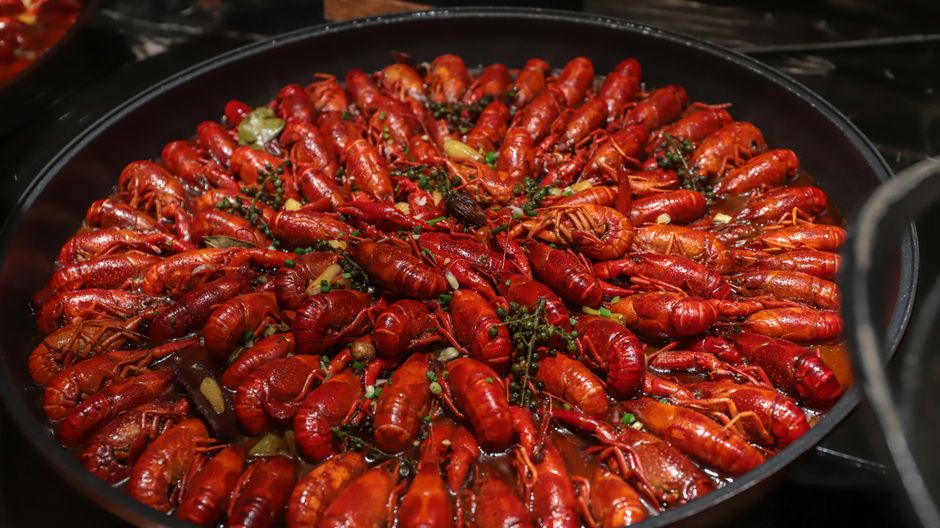
The non-negotiables: stinky tofu (臭豆腐, 黑色经典 brand, ¥5–8, golden-fried not grey), sugar-oil rice cakes (糖油粑粑, ¥8), Chayan Yuese milk tea (茶颜悦色, ¥20–28), crayfish (小龙虾, summer speciality), Mao-style red-braised pork (毛式红烧肉). For local budget food: 大碗先生 (avg ¥30pp) or any rice noodle shop for breakfast (米粉, ¥10–18). Hunan food is genuinely spicy — say 不辣 (bù là, no chilli) for mild versions, but some dishes can't be made mild.
How do I book Hunan Museum tickets?
Tickets are free but require reservation via the official WeChat mini-program. They release exactly 7 calendar days in advance at 20:00 Beijing time (8pm). Set an alarm for 19:59, open the app, be ready to book. Popular dates (weekends, holidays) sell out in under 60 seconds. If you miss the online window, arrive at the museum by 8:30am — the first 100 walk-in visitors each day are accommodated. Closed Mondays (except public holidays).
Can foreigners use Alipay in Changsha?
Yes. Register Alipay with your foreign phone number and passport real-name verification, then bind a foreign Visa or Mastercard. QR code payment then works at almost all merchants — street food vendors, restaurants, supermarkets, metro stations. Physical Visa cards are accepted at hotels, malls, and chain restaurants. Carry ¥200–300 cash for tiny street stalls without mobile payment capability.
Is there a metro from Changsha Airport?
Yes — Metro Line 6 runs direct from Huanghua International Airport to downtown Wuyi Square in about 40 minutes (¥6). Alternatively, take the Maglev from the airport to Changsha South high-speed rail station (15 min, ¥20), then transfer to Metro Line 2 into the city. Both are easy. Taxis from the airport are also straightforward — about ¥80–100 to central Changsha, 30–40 minutes depending on traffic.
How spicy is food in Changsha?
Very spicy. Hunan cuisine uses fresh chillies more aggressively than Sichuan food — it is often called the spiciest regional cuisine in China. Even dishes described as "mild" are hot by Western standards. Say 不辣 (bù là, no chilli) when ordering; most restaurants will try to accommodate you. But be aware that dishes like fish head with chopped chilli (剁椒鱼头) or stir-fried beef with chilli (辣椒炒肉) are fundamentally spicy and can't be easily modified.
Is Changsha safe for foreign travelers?
Yes, Changsha is a safe city. Violent crime targeting tourists is extremely rare. The main risks are the tourist-area scams described in this guide: hairdresser approaches on Huangxing Road, costumed character photo charges near attractions, and overpriced food on the main pedestrian strip. Be alert in crowded night markets for pickpockets (use a zipped bag on your front). Overall: a relaxed and very foreigner-friendly city — locals are used to interacting with expats and genuinely helpful.
How many days should I spend in Changsha?
Minimum 2 days, ideally 3. Day 1: Hunan Museum + Orange Isle + Wuyi Square night food circuit. Day 2: Yuelu Mountain and Academy + Super Wenheyou evening. Day 3: Tongguan Kiln Ancient Town day trip (30-40 min by Metro Line 6, great value night show after 16:00) or the Xie Zilong Photography Museum + hidden spots. Changsha is also the base for Zhangjiajie (Avatar mountains, 4h train — better as an overnight trip).
What is the best area to stay in Changsha?
For tourists: the Wuyi Square / Huangxing Road area (Furong or Tianxin District) — central, walkable to all food streets, metro Lines 1 and 2 hub, 15-min metro to Orange Isle. For a quieter stay: Meixihu District (newer area, 20-min metro to center). Budget option: near Yuelu University Town on Line 4. Most hotels in the center are walking distance from the main food and entertainment areas — that matters in a city where the action runs until 2am.

Ready to plan your Changsha trip?

Use our free AI planner to build a custom itinerary — pick your dates, budget, and interests. Drag, reorder, and export to your phone.

Plan My Trip with AI →

No account needed · Works on mobile · Completely free