In 2020, shops around me were having clearance sales.
Stores were switching businesses, landlords were negotiating rents, everyone was looking for a way out. I thought I’d found one.
I told my dad: “I’m renting a store online. An invisible one. It only costs ¥160 a month.”
He didn’t say much. I took that as approval.
The product was a roll-up piano — a flexible silicone keyboard I’d found on 1688. I couldn’t afford the wholesale price. To get bulk pricing you needed to order 50 units at a time. I was buying one or two at a go, which meant paying close to retail: ¥280 per unit. I sold them for ¥650. After shipping, the margin was thin. But it was something.
I paid ¥2,000 a year for the Wix store. Spent $50 on a Fiverr product video. Ran Facebook ads. Bought SEO articles for $10 each.
Then the first order came in.
I left work immediately. The shipping agent closed at 7pm. I ran through evening traffic carrying the package — convinced they’d lock up before I got there. Made it with fifteen minutes to spare. Wasn’t even tired.
That was when I was younger.
I sold three units over ten months. Then I placed the fourth order.
The fourth order fell apart before it even shipped.
The customer wanted a different model — one I didn’t carry. I refunded them. Then COVID hit. The factory stopped. I couldn’t go out, couldn’t restock, couldn’t do anything.
And the website itself? It had been slow from the start. Wix, hosted far from my customers, loading times that made people give up and close the tab. I’d asked customer service. Never got a straight answer. The site ran the whole time like something was wrong with it — because something was.
(For what it’s worth — I now host this blog on Hostinger. It’s the fastest hosting I’ve ever used, no comparison. If you’re thinking about building a site: this is my referral link. Disclosure: I earn a small credit if you sign up.)
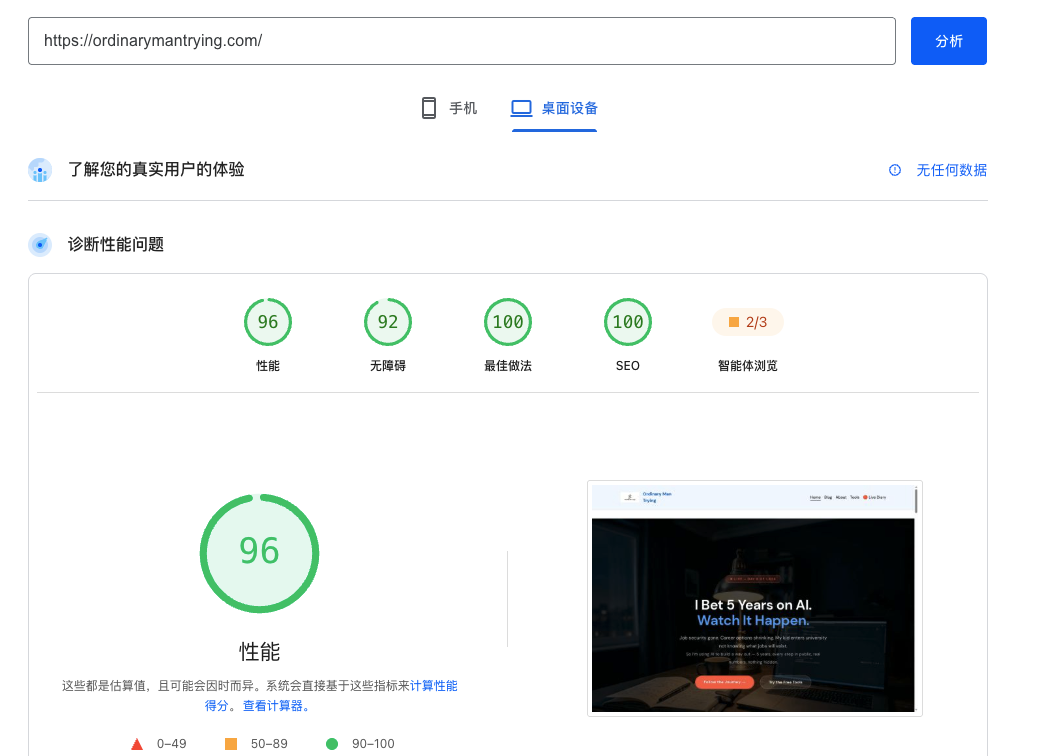
By the end I had three reasons not to renew: no inventory, a global pandemic, and a ¥2,000/year store that barely loaded. When the renewal notice came, I let it go.
I shut it down.
The display piano went into a box. That box sat in my apartment for three years.
Last week, I opened it.
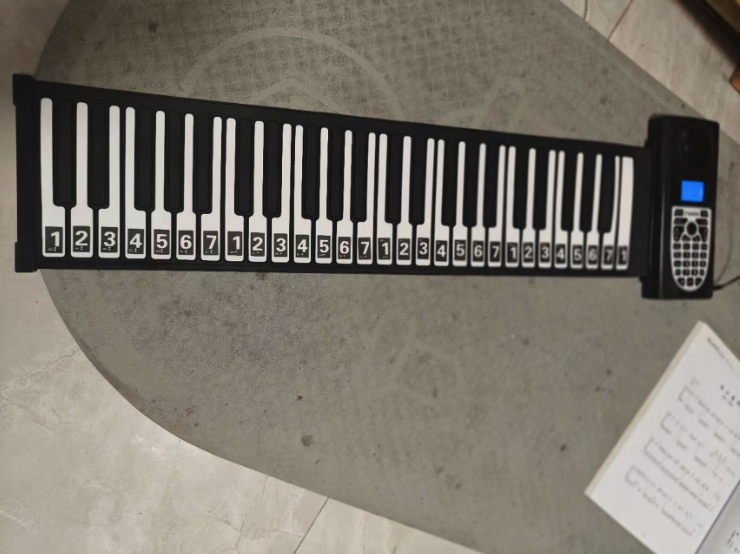
That’s me. Zero piano experience. Playing Happy New Year on a flexible silicone keyboard that rolls up like a mat.
What Is a Roll-Up Piano?
A roll-up piano (also called a flexible piano or silicone piano) is a portable electronic keyboard printed on soft silicone material. It rolls up like a scroll, fits in a bag, and unfolds flat on any table. It has built-in speakers, runs on batteries or USB, and feels surprisingly close to pressing real keys.
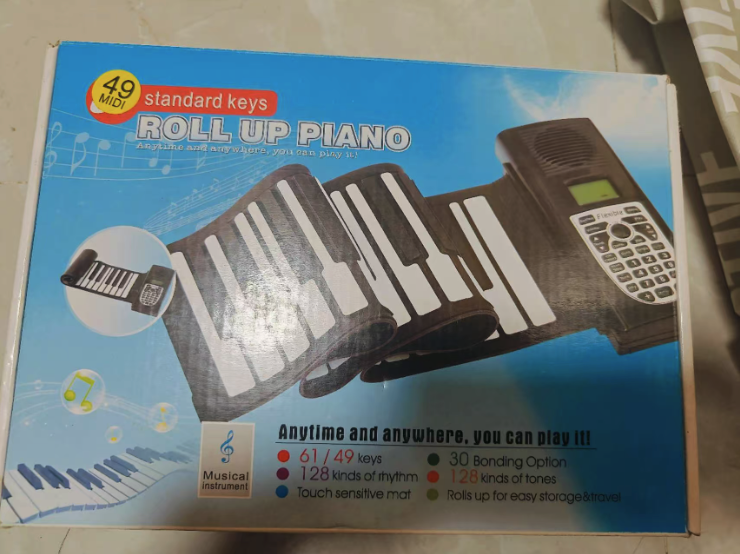
The one I have is 61 keys — a full beginner range. Here’s the original product overview:
Why It Actually Works for Beginners
Most people give up on piano because of two barriers: cost (a real piano costs thousands) and commitment (it’s heavy, it takes up a room, you feel locked in).
A roll-up piano removes both. It costs under $30. It stores in a drawer. If you never touch it again, you’ve lost nothing. But if you pick it up, you’ll be playing a recognizable melody within the hour — which is exactly what happened to me.
The keys are numbered, the chord charts are simple, and most beginner songs only use 5–10 keys. The low barrier is the point.
What Comes in the Box
- 61-key silicone roll-up keyboard
- Built-in speaker + headphone jack
- USB charging cable
- Beginner song booklet
- Sustain pedal input
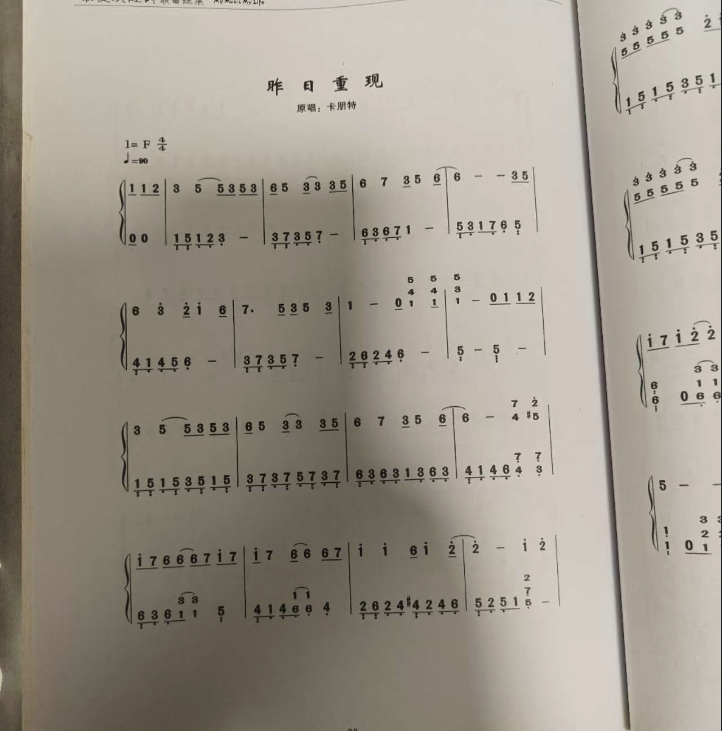
Is It Worth Buying?
If you want to try piano without committing to lessons or a full keyboard — yes. It’s not a replacement for a real piano. The silicone keys don’t have the weight or response of real keys. But as a zero-pressure way to find out if you actually enjoy playing music? It’s perfect.
I’ve had mine for years. I picked it up yesterday for the first time. It took me about 20 minutes to play something that actually sounded like a song. That’s the honest answer.
View on Amazon →
Affiliate link — I earn a small commission at no extra cost to you.
Eight years of side hustles. None of them worked.
The goji berry website ran for six years and never made money. The roll-up piano business lasted ten months. After COVID, I stopped trying to sell things online.
Two years ago I started learning value investing — using AI as my teacher. That’s the first thing that actually worked.
The piano is still here. This blog is where I write about all of it.
Related Reading
- Free Mandarin Chinese Learning Tools You Can Use Right Now in Your Browser
- Free Value Investing Tools for Stock Analysis
- 47 AI Tools I Used to Build Multiple Income Streams
- Building in Public Diary — All Entries
Free Tools From This Site
While you’re here — I build free browser tools. No sign-up, no install.
- Mandarin Flashcards — HSK 1–3 vocabulary, 400 words
- Life Paper — Famous lives on a 900-square grid
- Life Clock — Black hole months + Life Density score
Leave a Reply